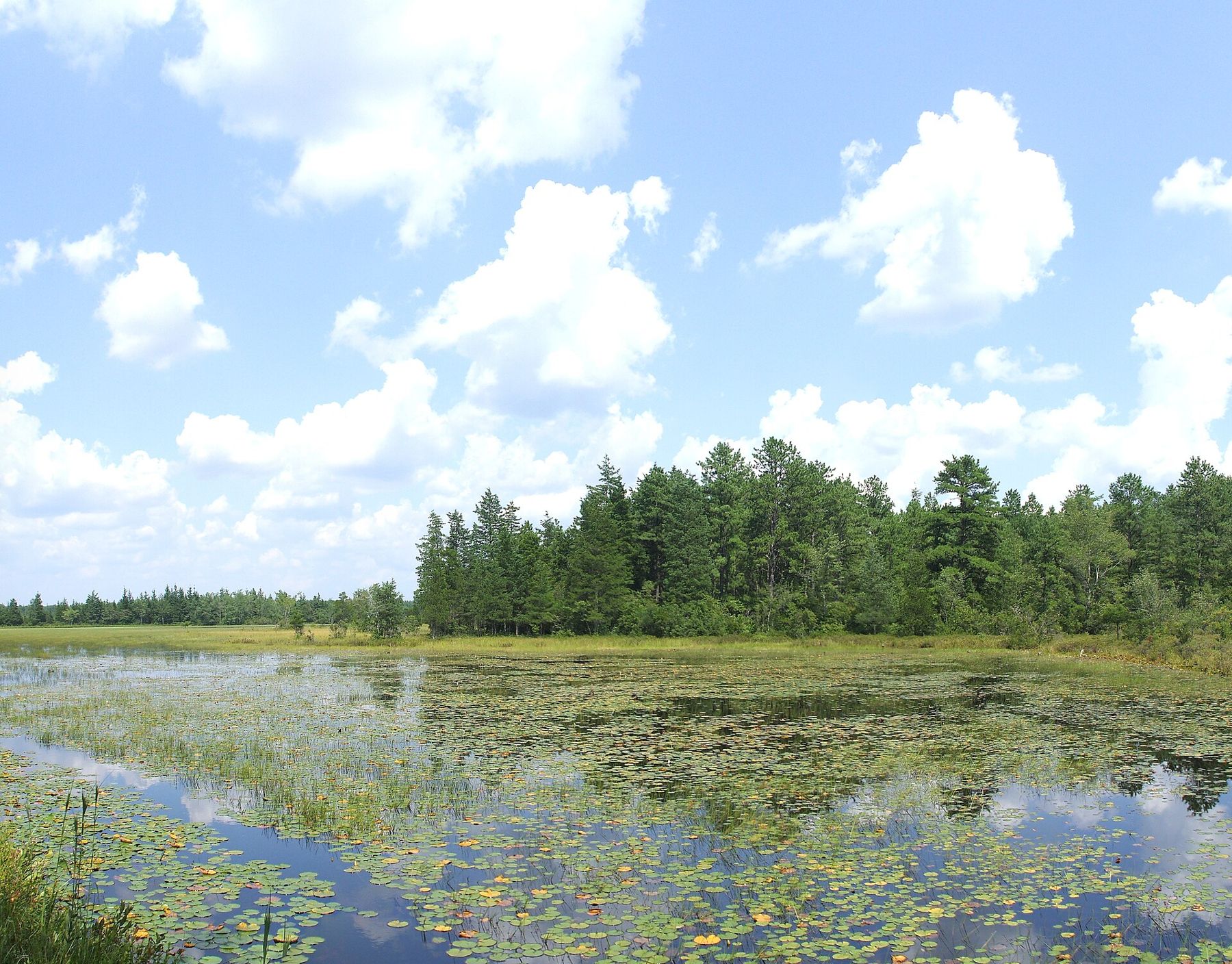
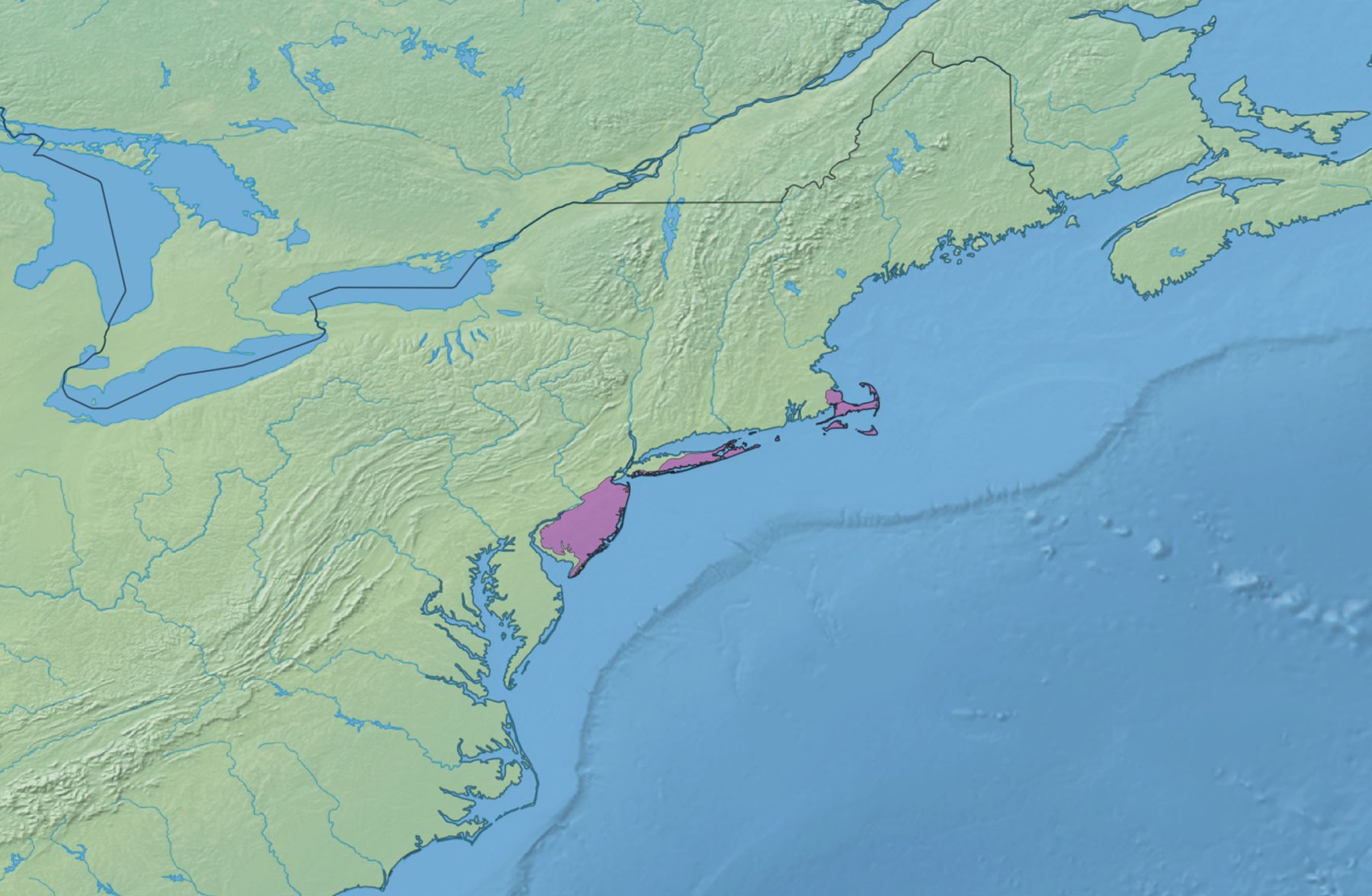
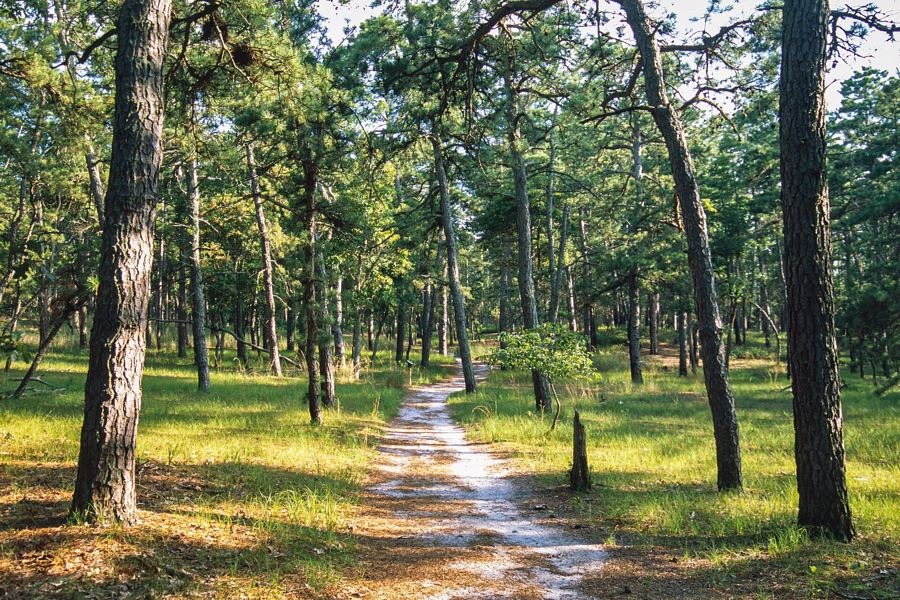
The Pine Barrens cover more than a million acres of southern New Jersey, a flat, sandy forest of pitch pine, oak and cedar swamp that feels a long way from the beaches only half an hour east. Most people drive through it on Route 72 or the Garden State Parkway without stopping. The best way to actually see it is from a canoe or kayak, drifting down one of its small, dark rivers.
A day on the water is easy to set up. The rivers are slow and mostly shallow, there are no rapids, and several stretches fit neatly into a morning or a full day.
Which river should you choose?
Three rivers in and around Wharton State Forest get most of the paddlers. All are within an hour or so of Toms River by car.
The Batsto River
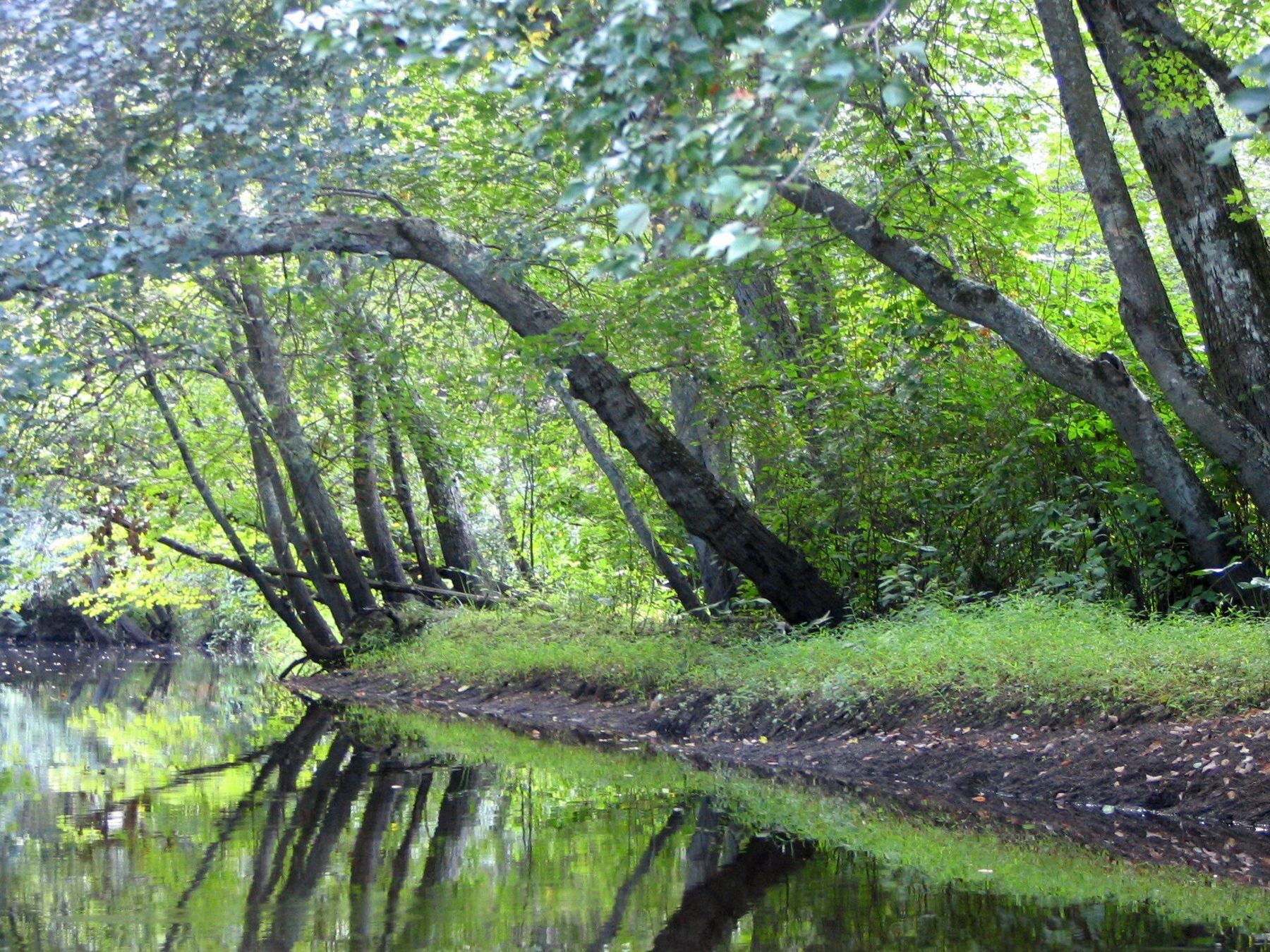
The Batsto is narrow and twisting, with cedar and maple pressing in on both banks. Trips commonly end at Batsto Lake, beside the historic village. It is the classic Pines paddle: quiet, shaded and intimate. The tight bends and low branches make it more work than it looks, and it can be tricky in low water. If you have time after you land, Batsto Village is right there.
The Mullica River
The Mullica starts small near Atsion and grows as it heads toward the bay. The upper stretches are narrow and winding, with fallen trees in places. Lower down it opens out and eventually becomes tidal. It is a good river for longer trips, including overnight runs with a stop at a riverside campsite.
The Wading River and the Oswego
The Wading River, with its Oswego branch, is often recommended for beginners. It tends to be a bit wider, with more open, sandy banks and good places to pull out for lunch. It is popular on summer weekends for that reason.
How long does a trip take?
Typical trips run from about two to six hours on the water, depending on the stretch, the water level and how often you stop. Most paddlers drift along at a gentle pace, and the current does a fair share of the work. A morning trip with a picnic at the end is very doable, and a full day lets you cover a longer stretch at an easy pace.
Plan your trip so you are off the water well before dark. The forest gets dark early under the trees, and there is little in the way of lights, signs or phone signal along the rivers.
Because these are one-way trips downriver, you need a way back to your car. That is where rental services come in.
If you have two cars, you can run your own shuttle: leave one at the take-out, drive the other to the put-in, and collect it at the end. Agree on the take-out point before you start, and make sure the driver at the end has the keys to the second car.
Plan your trip so you are off the water well before dark.
Do you need a guide or a rental?
You do not need a guide. The rivers are not technical, and anyone comfortable in a canoe or kayak on flat water can manage them. What most people do need is a shuttle. Several local rental businesses near the rivers rent canoes and kayaks and drive you to the put-in, so you paddle back to your car. If you bring your own boat, many will shuttle you for a fee.
Book ahead on summer weekends, when the most popular stretches fill. Rental seasons usually run from spring into autumn. Prices, launch points and opening dates vary, so call ahead before you set off.
If you want to camp along the river, Wharton State Forest has primitive campsites, some close to the water. They require a permit from the state forest, and the rules on fires and group sizes are strict, especially in dry weather.
 Also askedWhat is Batsto Village, and is it worth a stop?
What is the cedar water like?
The rivers of the Pines are stained a deep amber, like strong tea. The color comes from iron in the sandy soil and tannins from cedar and other plants. The water is naturally acidic and very clean-looking despite the color. Wading in the shallows, you can see your feet on the sandy bottom through the brown.
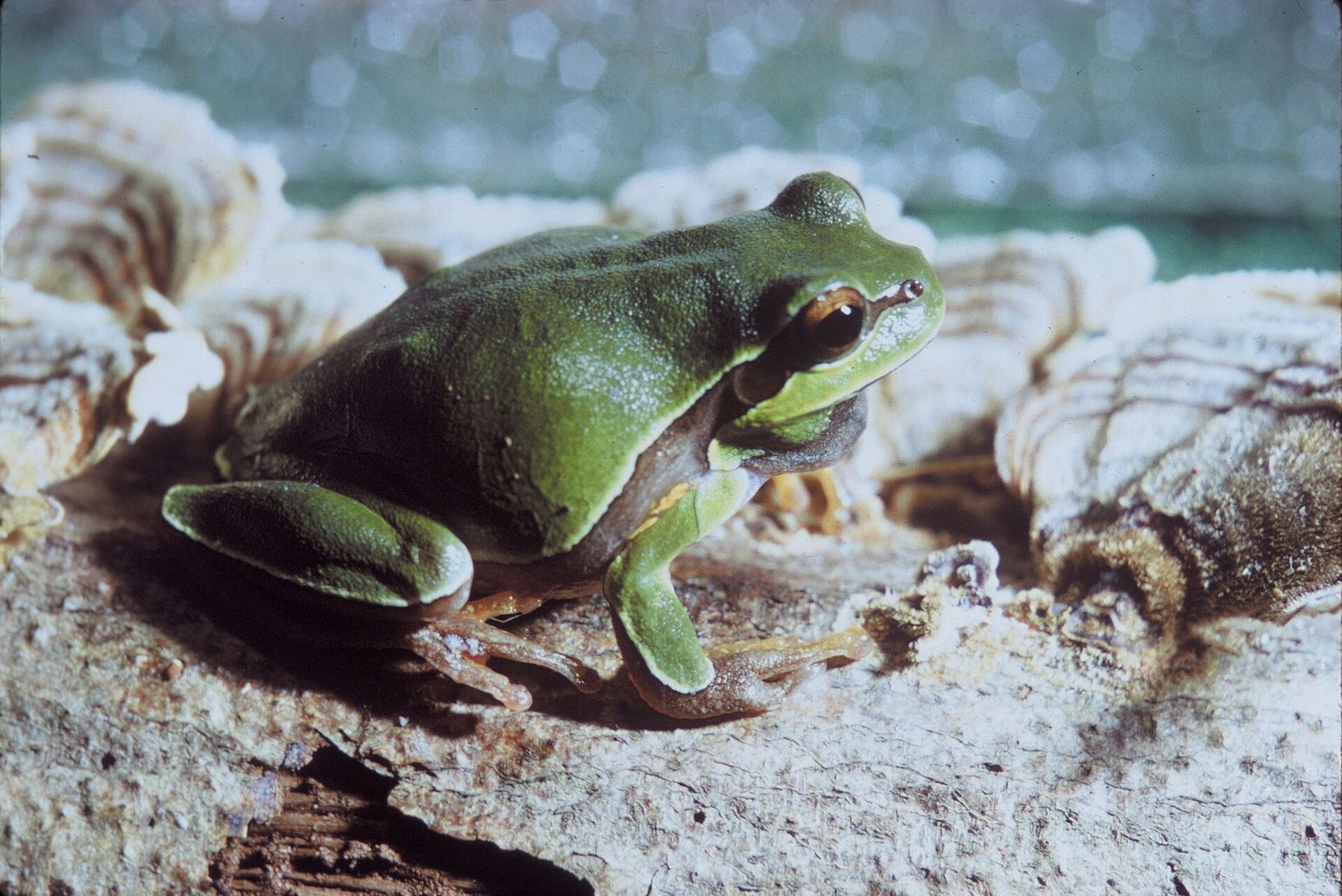
The rivers support plants and animals adapted to these acid waters. In spring and early summer, listen at dusk for the Pine Barrens treefrog, a small, bright green frog found in only a few places in the eastern United States, including the bogs along these streams. You will hear its nasal call far more often than you see it.
Do not drink the river water, however clean it looks. Bring all the drinking water you need for the day, and then some.
What should you watch out for?
Ticks are the main hazard. The Pine Barrens are tick country from spring to autumn, and the grass and brush along landings and campsites are where you pick them up. Use repellent, wear long, light-colored clothing if you go ashore, and check yourself, your children and any dogs carefully at the end of the day. Biting flies and mosquitoes can also be fierce on still, hot days.
Water levels change the trip. After a dry spell, some stretches become shallow enough that you scrape bottom or have to get out and walk. After heavy rain, the current picks up and fallen trees become more dangerous. Rental services usually know current conditions, so ask.
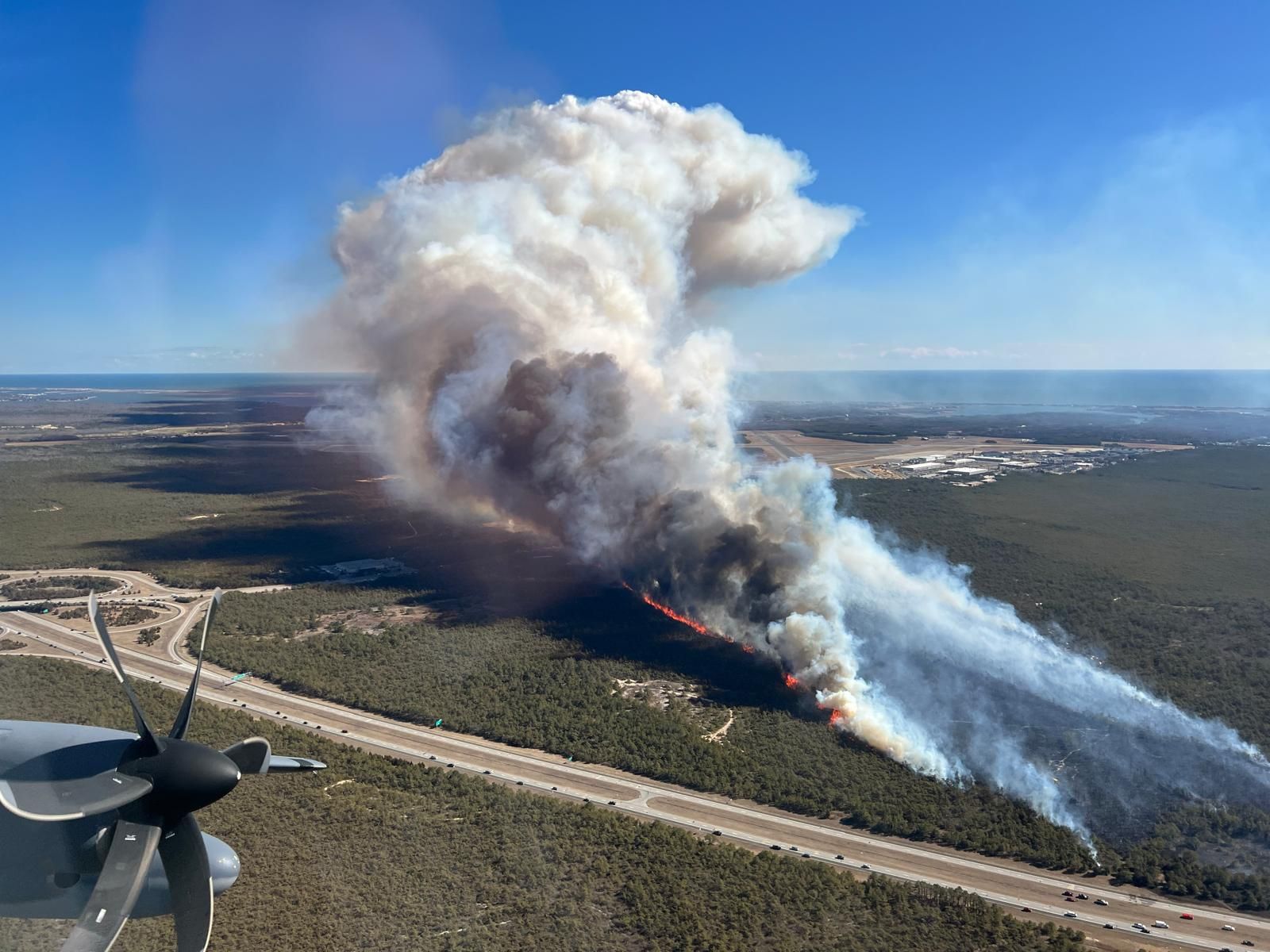
Wildfire is part of life in the Pines. The forest is built to burn and recover, and large fires do happen, especially in dry spring weather. Check for fire warnings and closures before you go, and follow the rules on open flames at campsites strictly.
What else fits into the day?
Pair a morning on the water with an afternoon at Batsto, or a stop to see cranberry bogs on the way home. Where to see a cranberry bog covers Double Trouble State Park, which is close to Toms River. Autumn is a fine time for both, when the bogs turn red and the maples along the rivers change color.
If you are staying near the coast, the drive into the Pines is a real change of scene: one moment you are among beach traffic, the next you are on a quiet road through endless pine. Leave early, start paddling while the air is cool, and you can be back at the shore for dinner. If kids are with you, a paddle can also be a good antidote to boardwalk overload, as covered in Seaside Heights or Point Pleasant.
Who took these photos? That one is answered on Photographers.