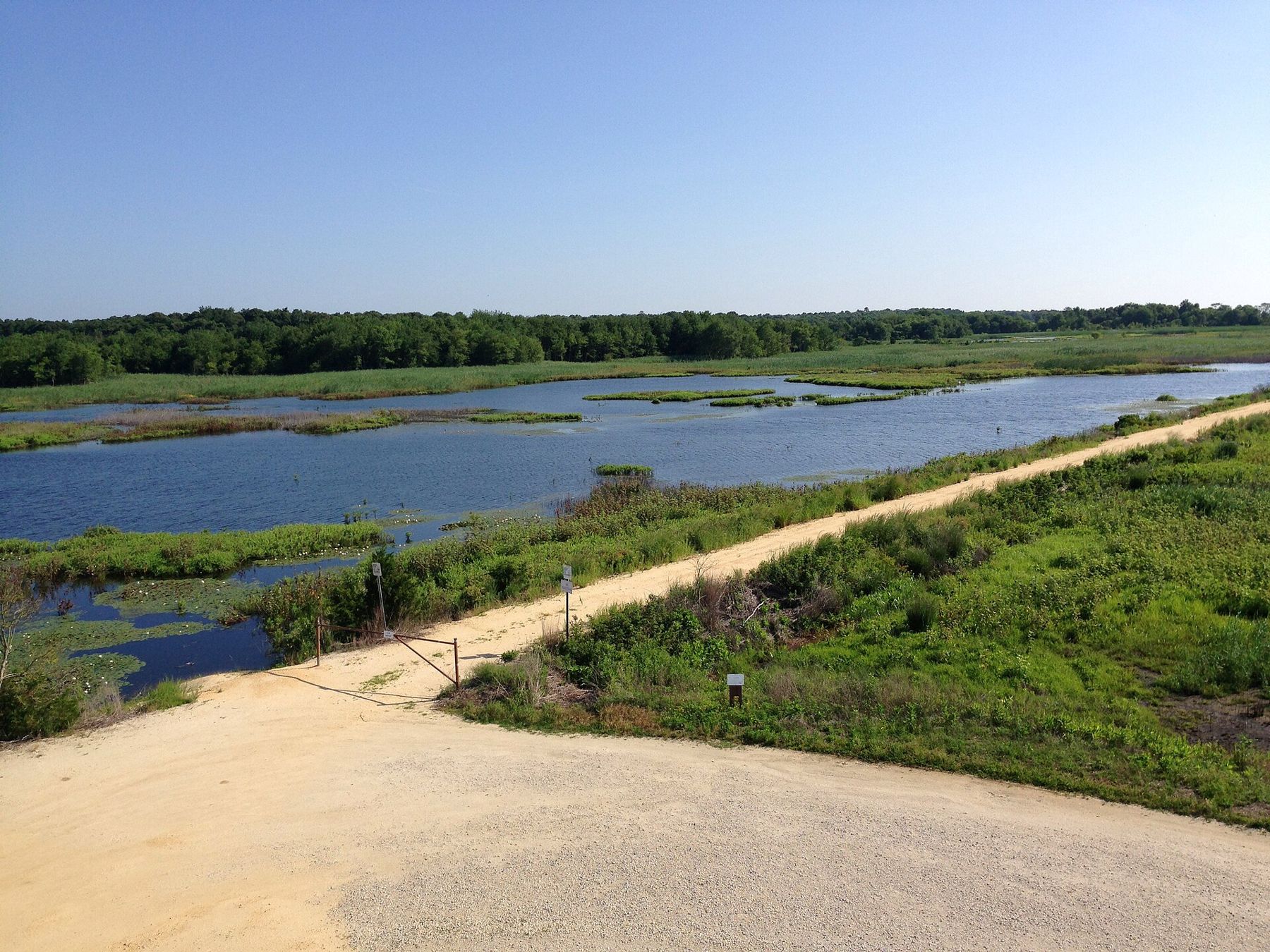
Ask a birder where to go on the Jersey Shore and you will hear one name before any other: Forsythe. The Edwin B. Forsythe National Wildlife Refuge protects a very large spread of salt marsh, bays, channels and woodland along the coast of Ocean and Atlantic counties. It sits on the Atlantic Flyway, the great north-south route that millions of birds follow each spring and autumn, and its marshes are a vital place for them to rest and feed.
Where is the refuge, and which part should you visit?
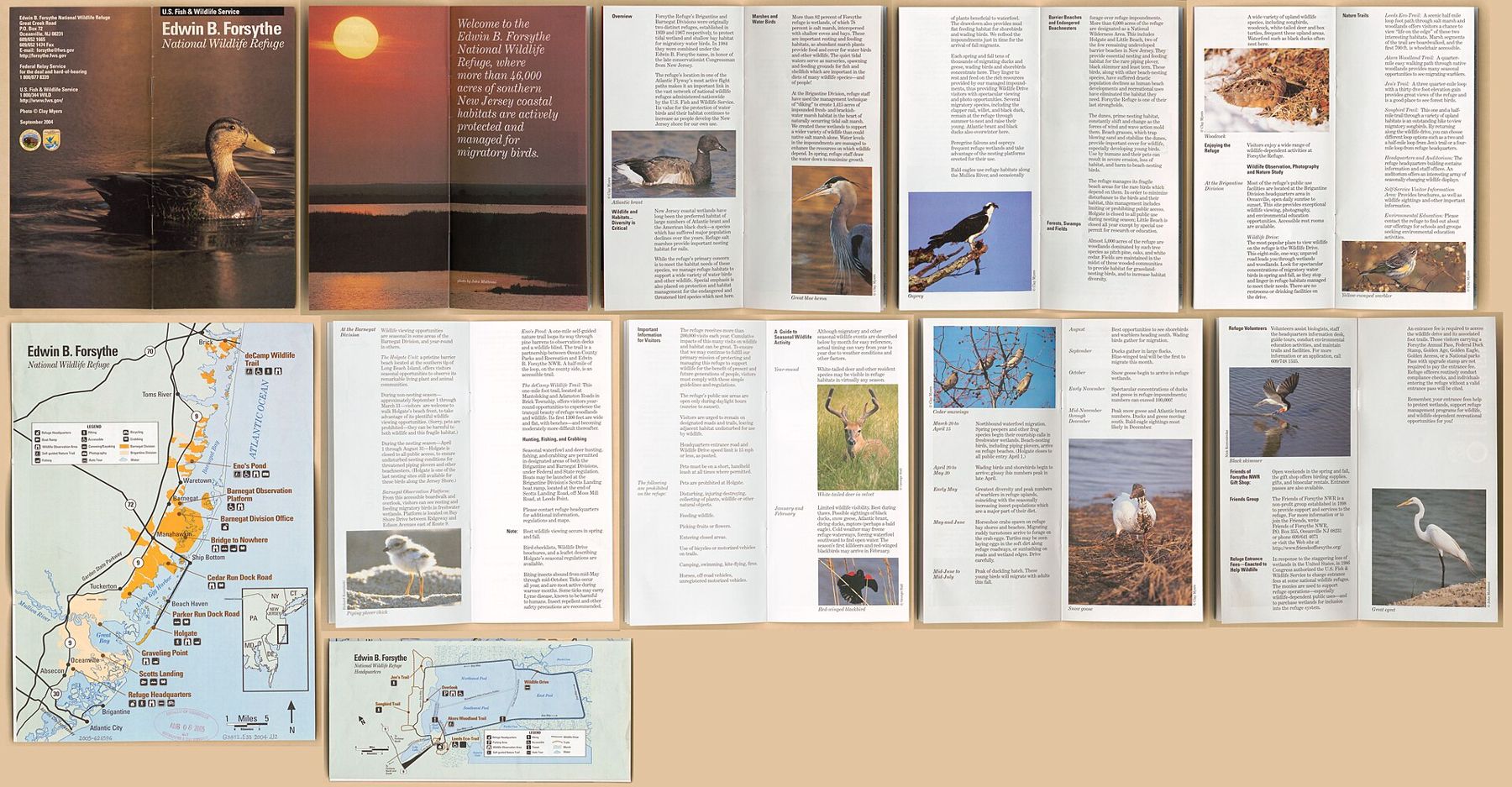
The refuge is spread across many separate pieces of coast, but most visitors head for the headquarters area near Oceanville in Galloway Township, just off Route 9 north of Atlantic City. That is where you find the visitor center, short walking trails, and the famous Wildlife Drive.
Other parts of the refuge are scattered up the coast into Ocean County, including marshes around Barnegat Bay and the Holgate section at the southern tip of Long Beach Island. Holgate is a wild beach that closes during the spring and summer nesting season to protect beach-nesting birds such as piping plovers.
How does the Wildlife Drive work?
The Wildlife Drive is a one-way gravel loop of roughly eight miles running along dikes between freshwater and brackish pools and the open salt marsh. You drive slowly, pull over where it is safe, and let the birds come to you. Your car works as a blind: birds that would flush at a person on foot often stay put beside a vehicle.
A few things make the loop work better:
- Take your time. Going round properly takes an hour at the least, and keen birders spend half a day.
- Use the towers. Observation towers and platforms along the drive give you a raised view over the pools and marsh.
- Stay in the car more than you think. Step out quietly and only where pull-offs allow it.
- Mind the time. The drive is one way, so you cannot turn back for a bird you missed without going round again.
The refuge charges an entrance fee per vehicle for the drive, and federal passes are generally accepted.
When is the best time for birds?
There are birds in every month, but spring and autumn migration are the headline seasons.
| Season | What to look for |
|---|---|
| Spring (April to early June) | Shorebirds on the mudflats, herons and egrets, glossy ibis, ospreys on nest platforms |
| Summer | Nesting wading birds, terns and skimmers, plus heat and biting flies |
| Autumn (September to November) | Shorebirds heading south, then the big arrival of ducks and geese |
| Winter | Large flocks of waterfowl, including brant and snow geese, and raptors over the marsh |
Late spring is a favourite for shorebirds, which pass through in large numbers on their way to the Arctic. Late autumn and early winter are known for great rafts of waterfowl and, on good days, huge flocks of snow geese lifting off the marsh at once.
 Also askedWhere's the quietest walk on the bay?
Tide matters as much as season. Shorebirds feed on exposed mud and often gather in the pools at high tide when the outer flats are covered, so a rising or high tide can concentrate birds close to the drive. Early morning gives the softest light and the most activity.
What did Hurricane Sandy do to the refuge?
Hurricane Sandy hit this coast hard in 2012, and the refuge was no exception. Storm surge eroded long stretches of the dikes that carry the Wildlife Drive and hold the pools in place, and the drive was closed for repairs afterwards.
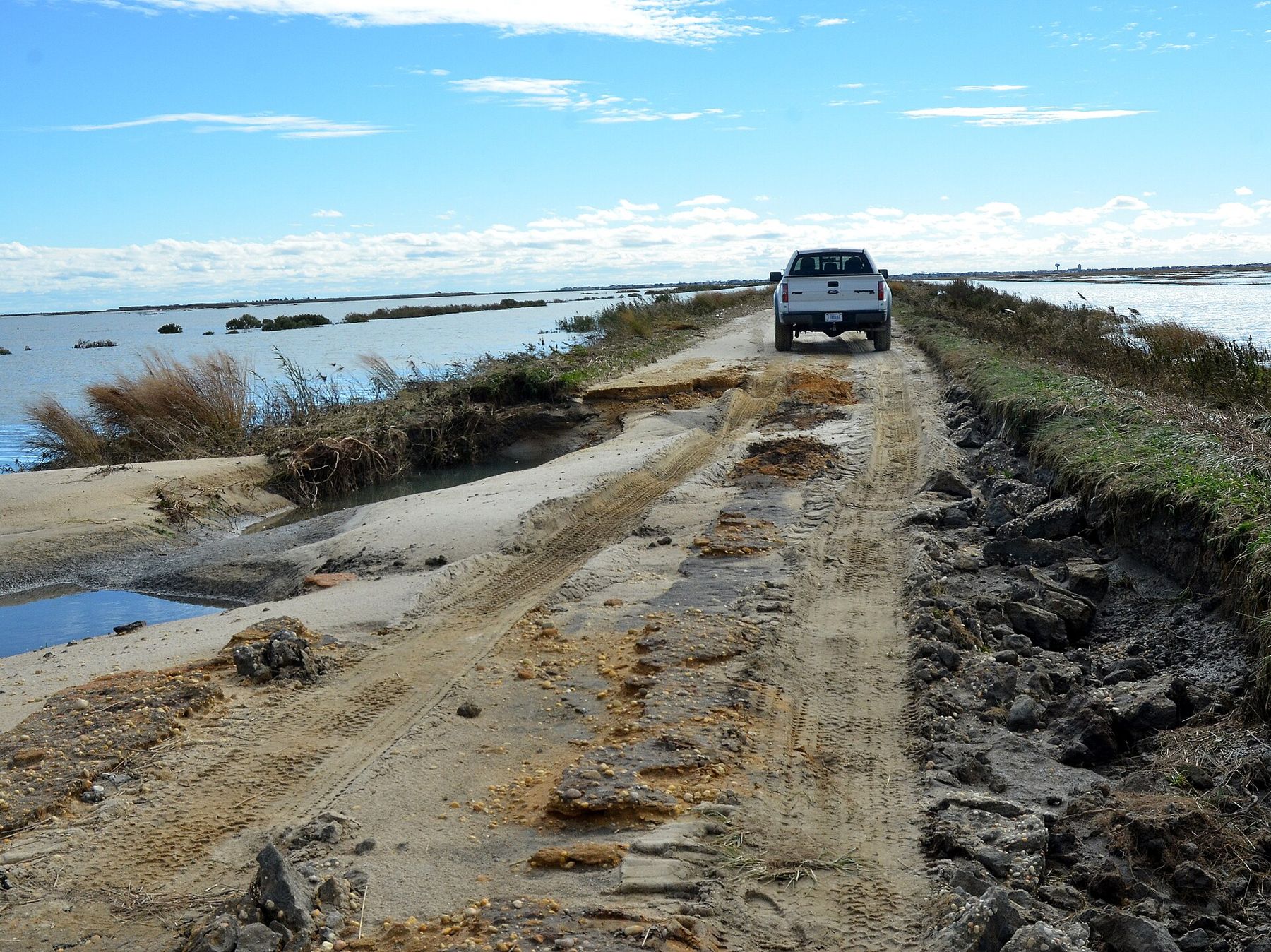
The dikes were rebuilt and the drive reopened, but the episode is a reminder that this is a living, shifting coast. Sections of the drive and trails can still close for maintenance, flooding or wildlife reasons. The wider story of the storm is told in the story of what Hurricane Sandy changed at the shore.
What should you bring, and what should you expect?
Binoculars are essential; a spotting scope helps a lot if you have one. A field guide or a bird identification guide makes the visit far richer, because many of the shorebirds look alike at first.
The salt marsh is open and exposed. Summer brings heat, mosquitoes and greenhead flies, which can make the walking trails unpleasant on still days, though the drive with the windows mostly up is bearable. In winter the wind off the marsh is sharp, so bring warm layers even if the sun is out. Ticks are present on grassy and wooded trails in the warmer months.
Facilities on the drive itself are minimal. Use the restrooms near the visitor area before you set out, carry water and snacks, and start with a reasonable amount of fuel.
How does Forsythe fit into a shore trip?
From Toms River the refuge is a drive of under an hour down the Garden State Parkway in normal traffic, which makes it an easy day out. It pairs naturally with time on the bay, whether you want to try kayaking and crabbing on Barnegat Bay or simply a closer, quieter walk.
If you only have one day for wildlife, choose a spring or autumn morning, arrive early, and drive the loop slowly. Even non-birders tend to leave impressed by the scale of the marsh and the number of birds on it, and by the strange sight of the Atlantic City skyline rising beyond miles of grass and water.
Who took these photos? That one is answered on Photographers.