The ocean side of the shore gets the attention, the traffic and the noise. The bay side is where you go to hear yourself think, and the quietest easy walk on Barnegat Bay is at Cattus Island County Park, a wooded peninsula on the edge of Toms River. It is not a beach park. You come here for marsh, pines, birds and water views, and you leave with sandy shoes and a slower pulse.
What is Cattus Island, exactly?
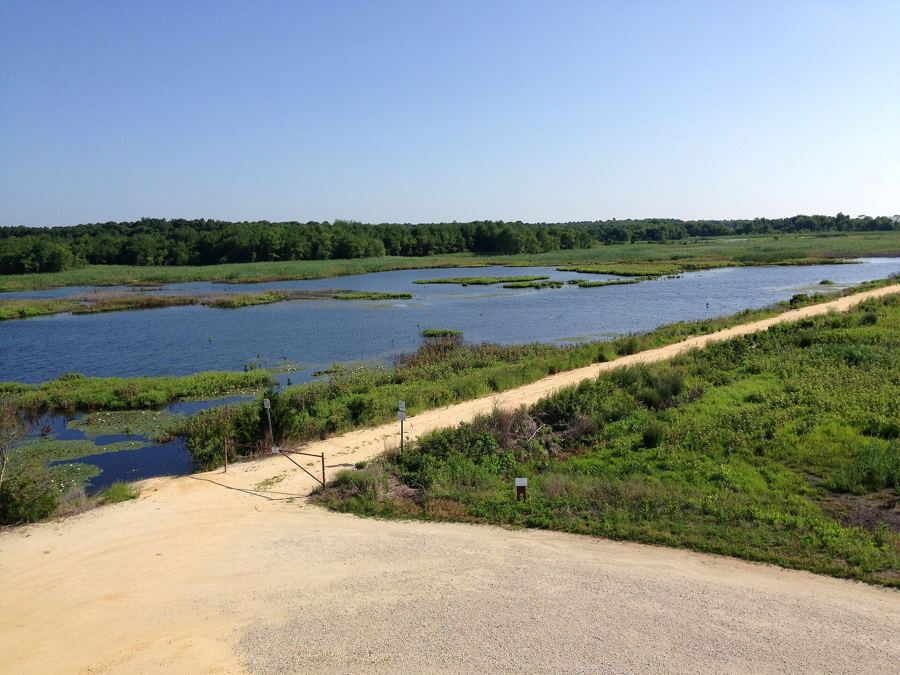
Despite the name, Cattus Island is not really an island any more. It is a low peninsula of woods and salt marsh pushing out between Silver Bay and Barnegat Bay, run by the county as a nature park. Much of it is wetland, so the trails stay on the higher, sandy ground through pitch pine and oak, then step out onto boardwalk where the land gives way to marsh grass.
The result is a park of edges. One minute you are in a dim stand of pines that would not look out of place in the Pine Barrens further inland, the next you are standing on planks over cordgrass with open water and big sky in front of you. That mix is the whole point, and it is why the place feels larger than its size.
Which trail should you walk first?
The trail network fans out from the parking area and the nature center, and the trails are colour-marked and mostly flat. Sand is the main challenge, not hills. If you only have an hour, pick a loop that reaches the marsh boardwalk and the bay shore, because that is where the views open up. If you have a morning, string several loops together and walk out toward the tip of the peninsula, where the water wraps around you on more than one side.
- Short visit: nature center, then the nearest loop out to the marsh boardwalk and back.
- Half day: combine the woodland trails with the bayside sections and the long walk toward the point.
- With small children: stick to the nearest boardwalk and the nature center, and turn round while everyone is still happy.
Trail maps are usually posted at the trailheads and in the center, and it is worth taking a photo of one before you set off. Some trails flood at very high tides or after heavy rain, so expect wet patches in the low spots.
What will you see on the boardwalks?
Ospreys are the stars from spring to late summer. These big fish hawks return to the Jersey Shore each spring after wintering far to the south, nest on tall platforms and dead trees around the bay, and spend the summer diving for fish in full view. Listen for their high, whistling calls before you spot them. From a respectful distance you can often watch adults carrying fish back to the nest.
The marsh holds herons and egrets stalking the shallows, fiddler crabs scuttling into holes in the mud at low tide, and terrapins in the creeks if you are patient and quiet. In autumn and winter the cast changes to ducks and other waterfowl out on the open bay. Bring binoculars, because many of the best sightings are out over the water rather than beside the path.
 Also askedWhere do birders go at the shore?
If birds become the reason you travel, the bigger refuge to the south has a driving loop and far more open water. For a closer, gentler introduction, though, Cattus Island is hard to beat: it is a short drive from Toms River, it is rarely crowded, and the walks are short enough for anyone.
Is the nature center worth going inside?
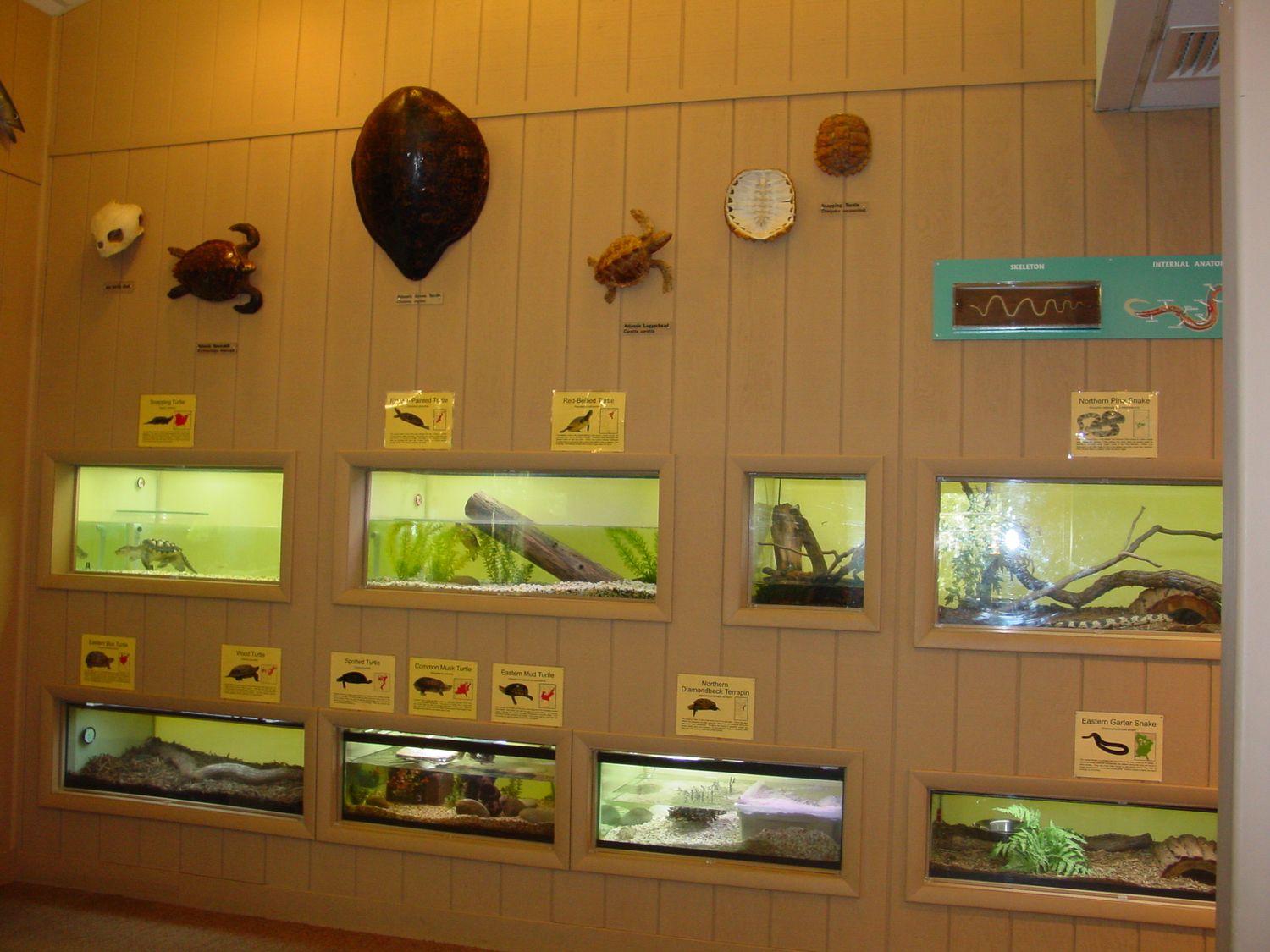
Yes, especially with children or on a grey day. The Cooper Environmental Center sits by the main parking area and works as the park's front door. Inside you usually find displays on local wildlife, live native animals such as turtles and snakes, and hands-on exhibits aimed at younger visitors.

It is also the place to ask what has been seen lately, whether any trail is flooded and what programs are running. Hours for the building are shorter than the hours for the trails, and they vary through the year.
If the weather turns, the center is one of the better short indoor stops in the area, and it pairs well with other ideas for a rainy day at the shore.
When is the quietest time to go?
Weekday mornings are calmest in any season. On summer weekends the parking area fills more than you might expect, mostly with local families, but even then the further trails thin out fast. The light and the birds are best early and late in the day.
The honest seasonal picture:
- Spring: ospreys arrive, migrant songbirds pass through, and the bugs have not built up yet. A very good time.
- Summer: green and busy with birds, but hot in the woods, and biting flies and mosquitoes can be fierce in the marsh, especially on still, humid days.
- Autumn: cooler, fewer insects, waterfowl returning and warm colour in the marsh grass. Many locals rate it the best season.
- Winter: stark and very quiet, with ducks on the bay and almost nobody else on the trails.
It also fits neatly into the broader argument for visiting the shore in September, when the water is still warm and the roads are clear.
What should you know before you set off?
Ticks are a real concern in coastal New Jersey woods and grass. Wear long socks, stay on the trail, and check yourself, your children and any dog when you get back to the car. Insect repellent earns its place from late spring to early autumn.
Bring water, since there is little shade on the marsh boardwalks and nothing to buy along the trails. Rules on dogs, bikes and fishing can change, so read the signs at the trailhead and follow them. Stay off the marsh itself: it is soft, it is fragile and it is nesting ground.
Finally, pair it with something. Cattus Island takes an hour or a morning, so it combines well with lunch and a stroll in downtown Toms River, or with an afternoon paddle if you want to see the same bay from the water. Either way, you get a side of the shore that most summer visitors drive straight past.
Who took these photos? That one is answered on Photographers.