
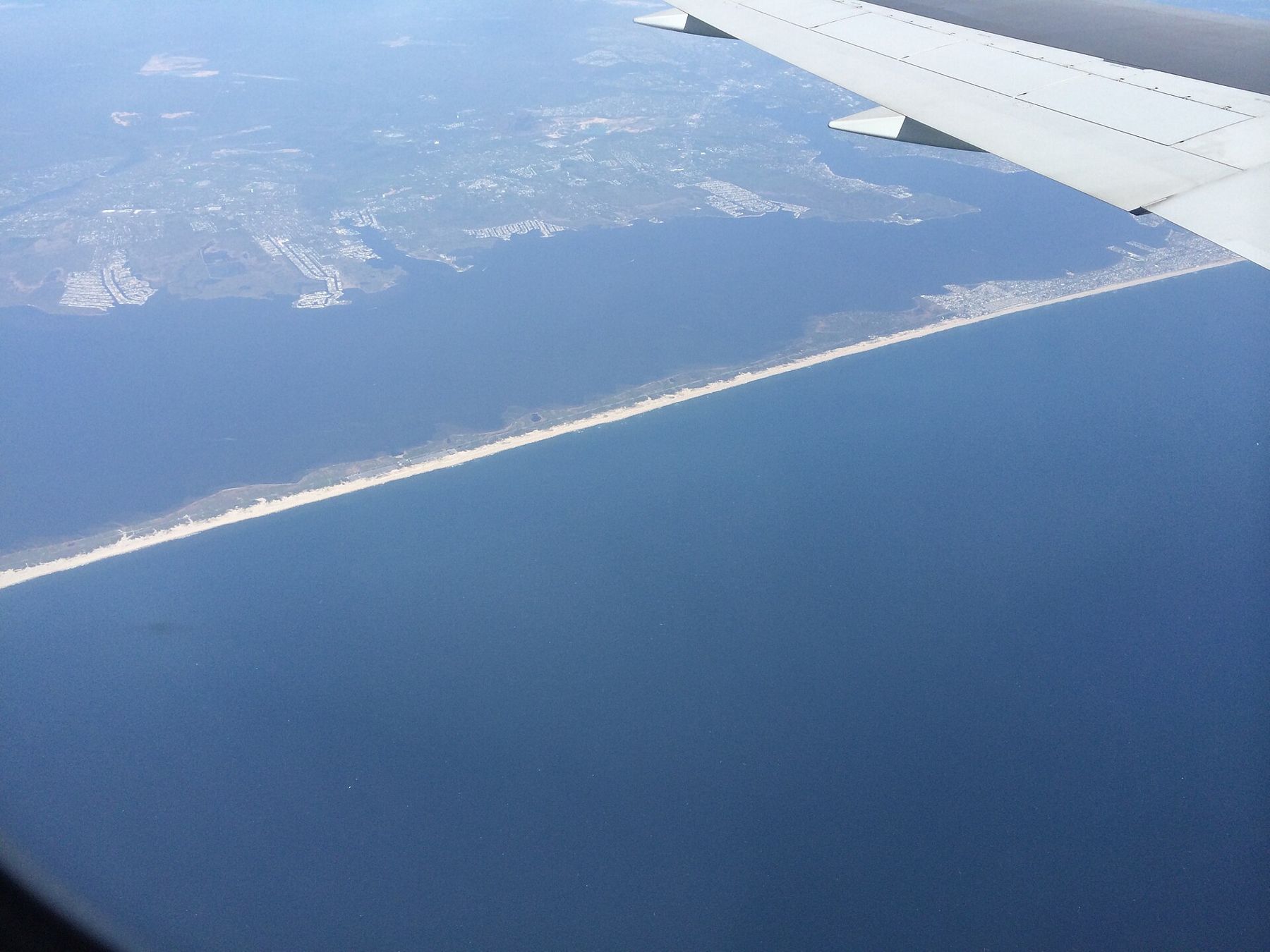
Drive south through Seaside Heights and Seaside Park and the houses simply stop. What follows is Island Beach State Park: roughly ten miles of barrier beach between the Atlantic and Barnegat Bay, left almost entirely undeveloped while the rest of the peninsula filled with cottages, motels and rides. There is one road down the middle, a string of parking lots, and dunes on both sides.
If your idea of the shore is a boardwalk, fries and a Ferris wheel, this is the opposite. If you want long walks, room to spread out and a chance of seeing a fox on a dune, it is the best thing on this stretch of coast.
What exactly is down there?
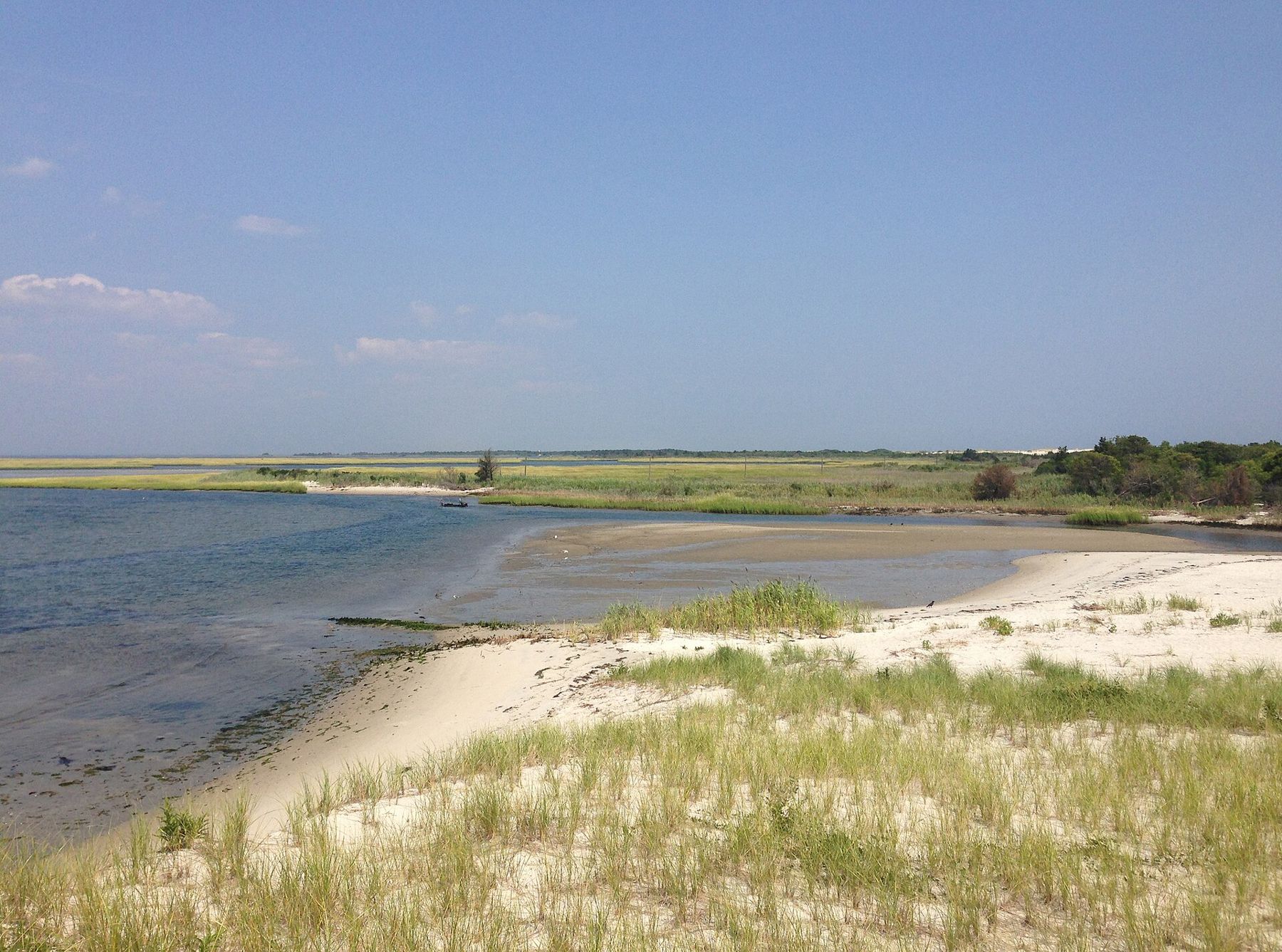
The park covers the southern end of the Barnegat Peninsula, the long sand spit that runs from Bay Head down to Barnegat Inlet. The ocean side is a wide, plain beach backed by high dunes. The bay side is a ragged edge of salt marsh, thickets and coves. Between them sit low maritime woods of holly, cedar and pine, and a lot of beach grass.
The main road ends a few miles short of the inlet. Beyond that, the tip of the park is reached on foot along the sand or by permitted beach vehicles. From the far end you look straight across the inlet to the lighthouse on Long Beach Island, but there is no bridge, so the two are separate trips. If the lighthouse is on your list, see what's the best way to see Barnegat Lighthouse for the drive around.
When does the gate close?
This is the single most important thing to know. The park has a fixed number of parking spaces, and on hot summer weekends and holidays the lots fill. When they do, rangers close the entrance and turn new cars away until enough people leave. That can happen by late morning, and the wait to get back in can run for hours.
The way around it is simple: arrive early, or come on a weekday. Late afternoon also works, when the morning crowd starts packing up and the light gets softer. Outside the summer peak, from September into autumn and again in late spring, closures are rare and the beach can feel close to empty.
There is a per-vehicle entrance fee in season, and it is higher for cars with out-of-state plates.
The way around it is simple: arrive early, or come on a weekday.
Where should you swim, walk and fish?
Swimming is only allowed where lifeguards are on duty, at the designated swimming areas near the north end of the park. They have bathhouses, showers and a boardwalk over the dunes. Outside those areas the beach is open for walking, sunbathing and fishing, but not for swimming. The surf here is open Atlantic, with the same rip currents as anywhere on the coast, so the guarded zones are not a formality.
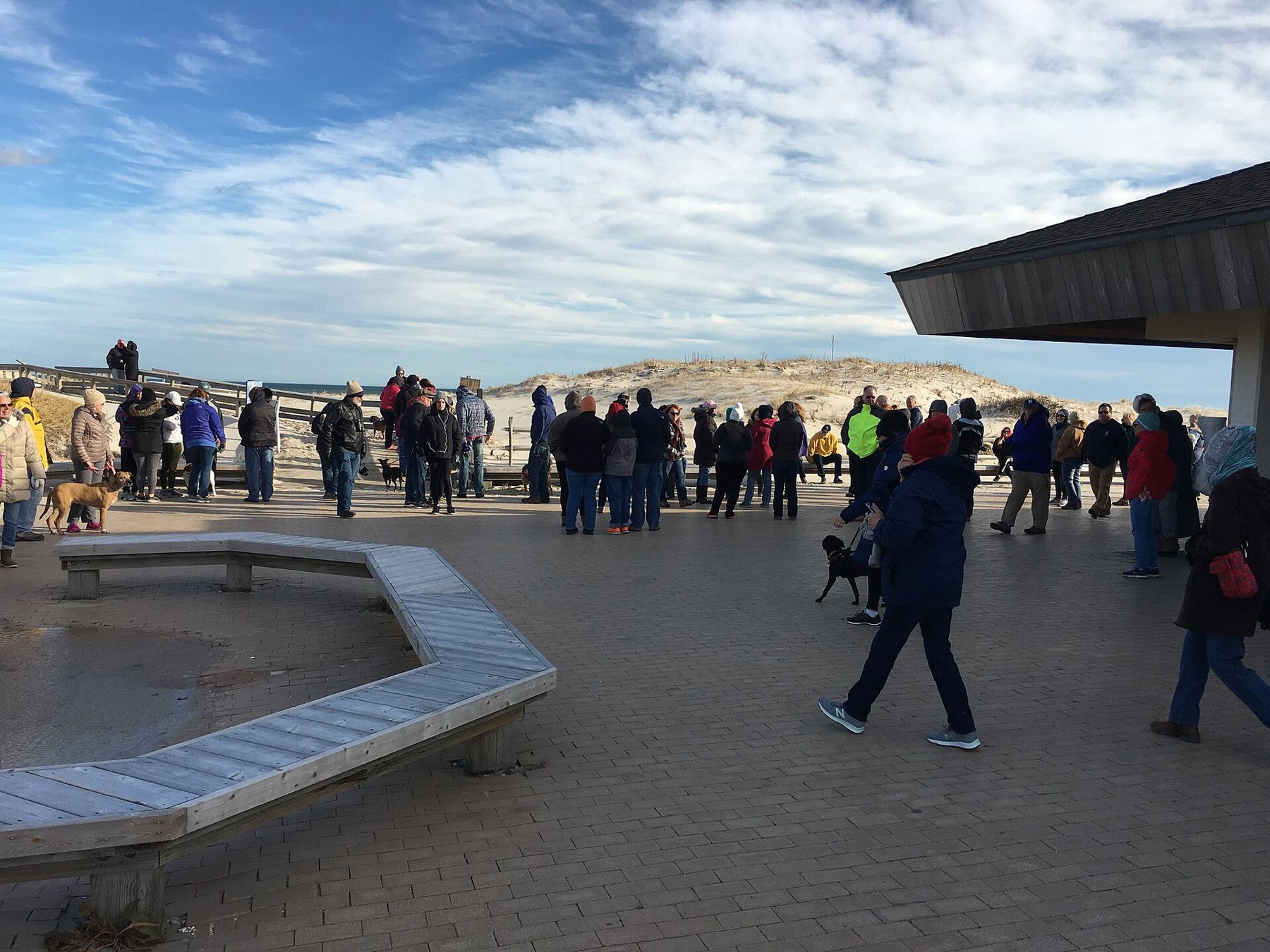
For walkers, the beach itself is the main trail: you can head south from any parking lot and walk for as long as you like. There are also short nature trails on both sides of the road that lead through the dunes and thickets to the bay. They are flat, sandy and good for an hour, and in early morning they are full of birds.
Fishing is a big part of the park's character. Surf anglers line the beach in spring and autumn, when striped bass and bluefish move along the coast. Much of the beach is open to permitted four-wheel-drive vehicles for fishing access, which is why you will see tire tracks across the sand. Permits and seasons for beach driving are set by the state.
 Also askedCan you kayak and go crabbing on Barnegat Bay?
What lives on the dunes?
Red foxes live throughout the park and are used to people. They trot across lots, sit by the road and sometimes walk right up to cars. It is tempting to toss them food. Do not. Feeding wildlife is against park rules, and foxes that learn to beg end up hit by cars or in trouble with people. Watch them from a distance and keep your snacks in the car.

The bay side is a fine place for birds. Ospreys nest on platforms along the marsh, herons and egrets work the shallows, and in spring and autumn the thickets fill with migrating songbirds. Off the bay shore near the south end lie the Sedge Islands, a protected marine conservation zone of marsh islands and shallow channels that is best seen from a kayak with a calm forecast. Paddling and crabbing in that kind of water is covered in kayaking and crabbing on Barnegat Bay.
The dunes themselves are fragile, and they protect the road and everything behind them from storms. Stay on marked paths and boardwalks, and keep off the vegetation.
Is it worth it with kids?
Yes, with some planning. The guarded swimming areas have restrooms and a gentle routine that suits families, and the nature trails are short enough for small legs. What the park does not have is food stands on every corner, rides or arcades. Pack a full cooler, plenty of water and shade, because the nearest shops are back in Seaside Park.
A good pattern is to spend the morning in the park, then drive north for an evening on the boardwalk. If you are deciding which boardwalk, Seaside Heights or Point Pleasant compares the two.
Bring insect repellent. On still summer days, biting flies and mosquitoes come off the marsh, especially on the bay trails. A breeze from the ocean usually keeps the beach itself clear.
So, is it worth the drive?
If you are already staying anywhere near Toms River or the barrier island, it is barely a drive at all: Route 37 crosses the bay to Seaside Heights, and a few minutes south you reach the gate. From farther away, it is worth the trip for anyone who likes beaches more than boardwalks.
The best days are often outside high summer. In September the water is still warm, the gate rarely closes and the beach belongs to walkers and anglers. The reasons are laid out in when the shore is at its best without the crowds. Even in winter, a walk along the empty sand here is one of the finest things to do on the Jersey Shore.
The trade-off is honest: no rides, no snack bars on the sand, and a gate that can shut in your face at noon on a July Saturday. Plan around that, and you get a stretch of coast that looks much as it did before anyone built on the rest of it.
Who took these photos? That one is answered on Photographers.