
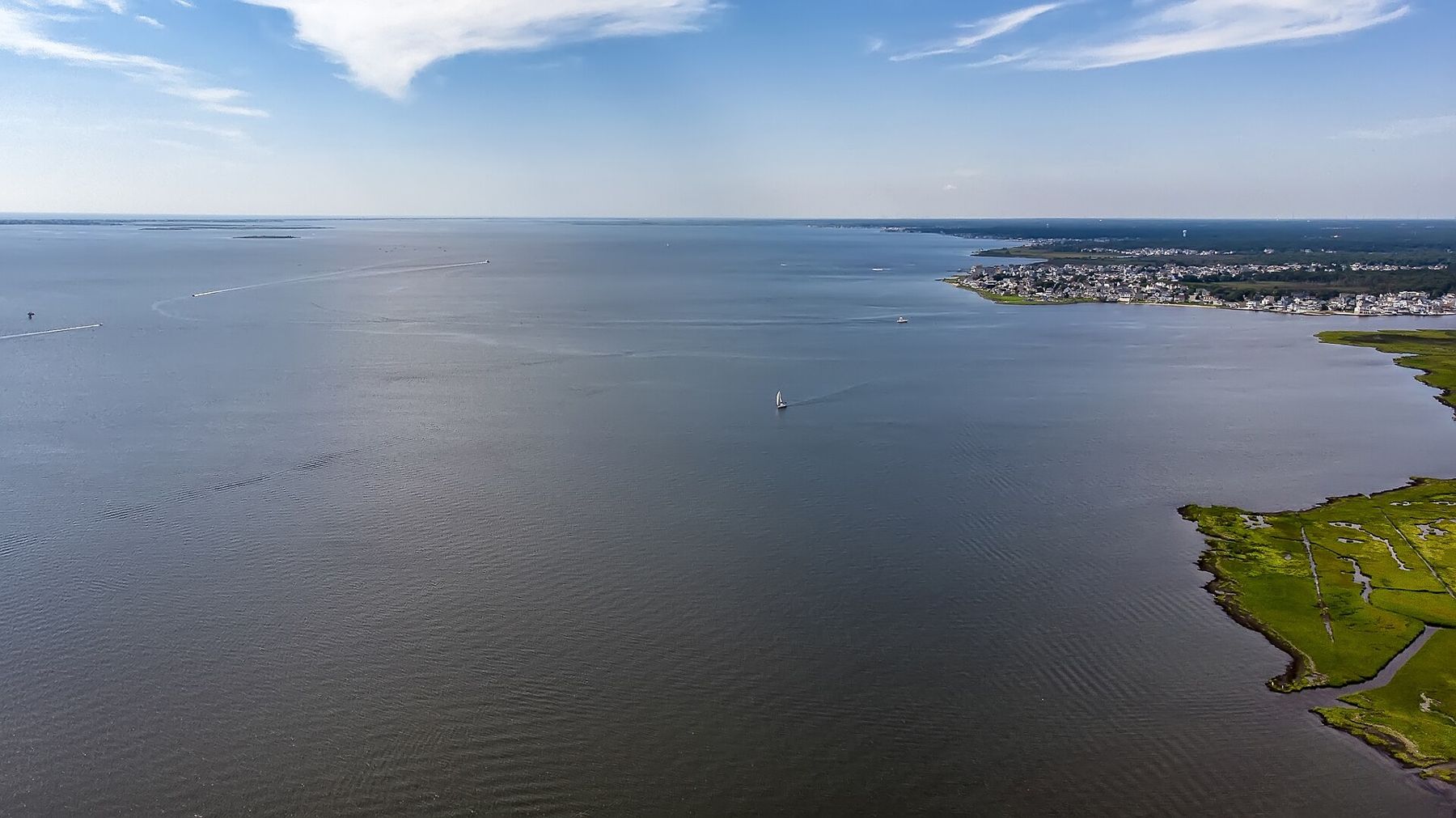
Barnegat Bay runs for more than thirty miles behind the barrier islands of Ocean County, from Point Pleasant down past Long Beach Island. It is a wide, shallow lagoon, separated from the ocean by the Barnegat Peninsula and Long Beach Island and fed by rivers and creeks from the Pine Barrens. Much of it is only a few feet deep.
That shallowness makes it good for paddling and for crabbing. The bay is home to blue crabs, and catching a few from a dock or a kayak is one of the oldest summer traditions at the shore.
Is the bay safe for kayaks?
For most of the time, yes, with sensible planning. The bay is protected from ocean swells, and on a calm morning it can be glassy. The main factors that change that are wind, boats and inlets.
Wind
On many summer days the wind is light early and builds through the afternoon, often from the south as the sea breeze sets in. Because the bay is wide and shallow, a stiff wind quickly kicks up a short, choppy sea that is tiring and wet in a kayak. Paddle in the morning, keep close to the shore, and plan your route so you are not fighting the wind on the way back.
Boats
The bay is busy with motor boats and personal watercraft in summer, especially on weekends. The Intracoastal Waterway runs through it as a marked channel. Stay out of the channel, cross it quickly and at right angles if you must, and wear bright colors so you are easy to see.
Inlets
Barnegat Inlet, between Island Beach and Long Beach Island, has strong currents and breaking waves. It is no place for a casual kayak. Keep well clear of the inlet itself.
Always wear a life jacket, even close to shore and even if you are a strong swimmer. Carry water, sun protection and a phone in a waterproof case, and tell someone where you are going.
Where should you paddle?
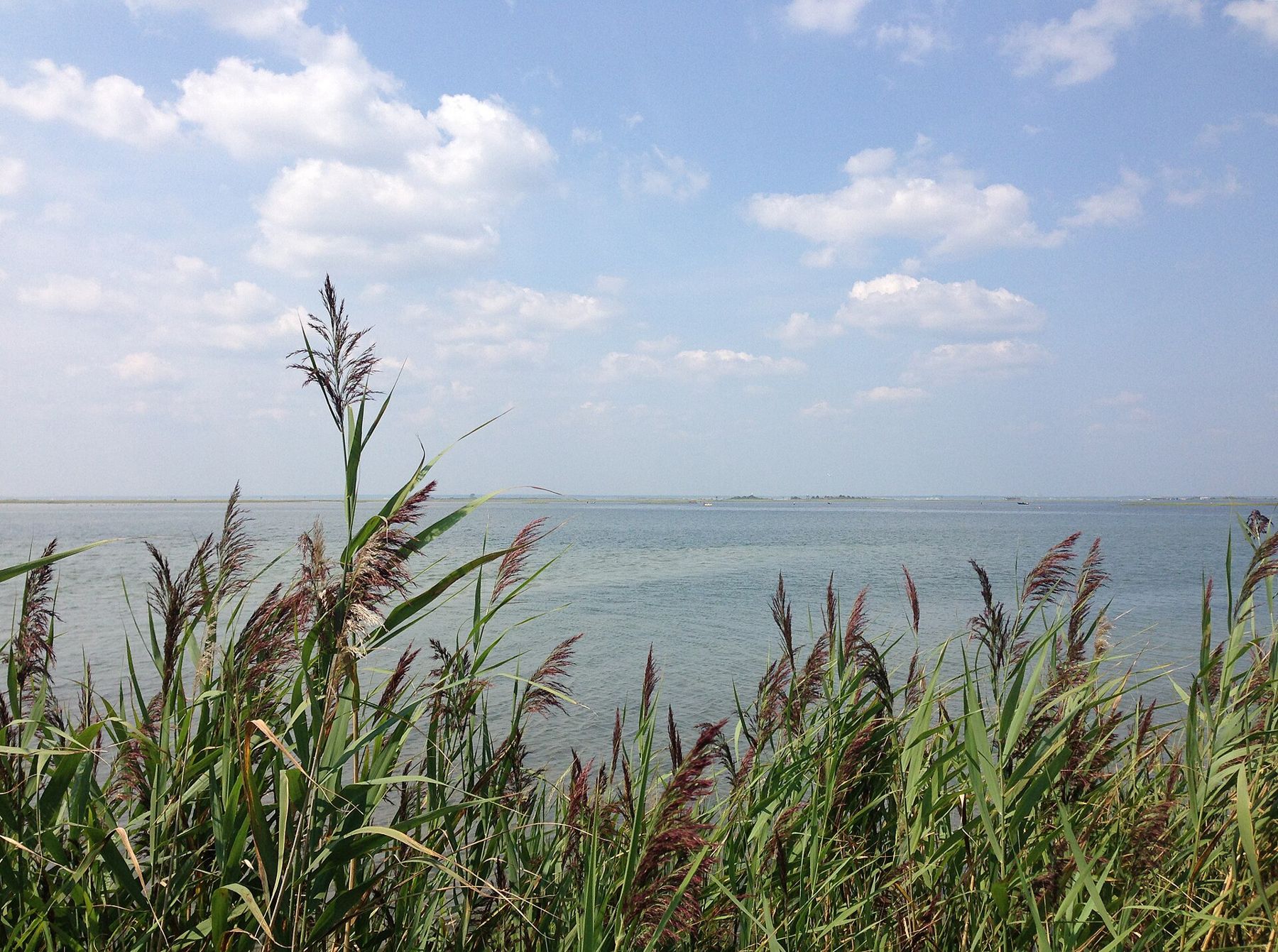
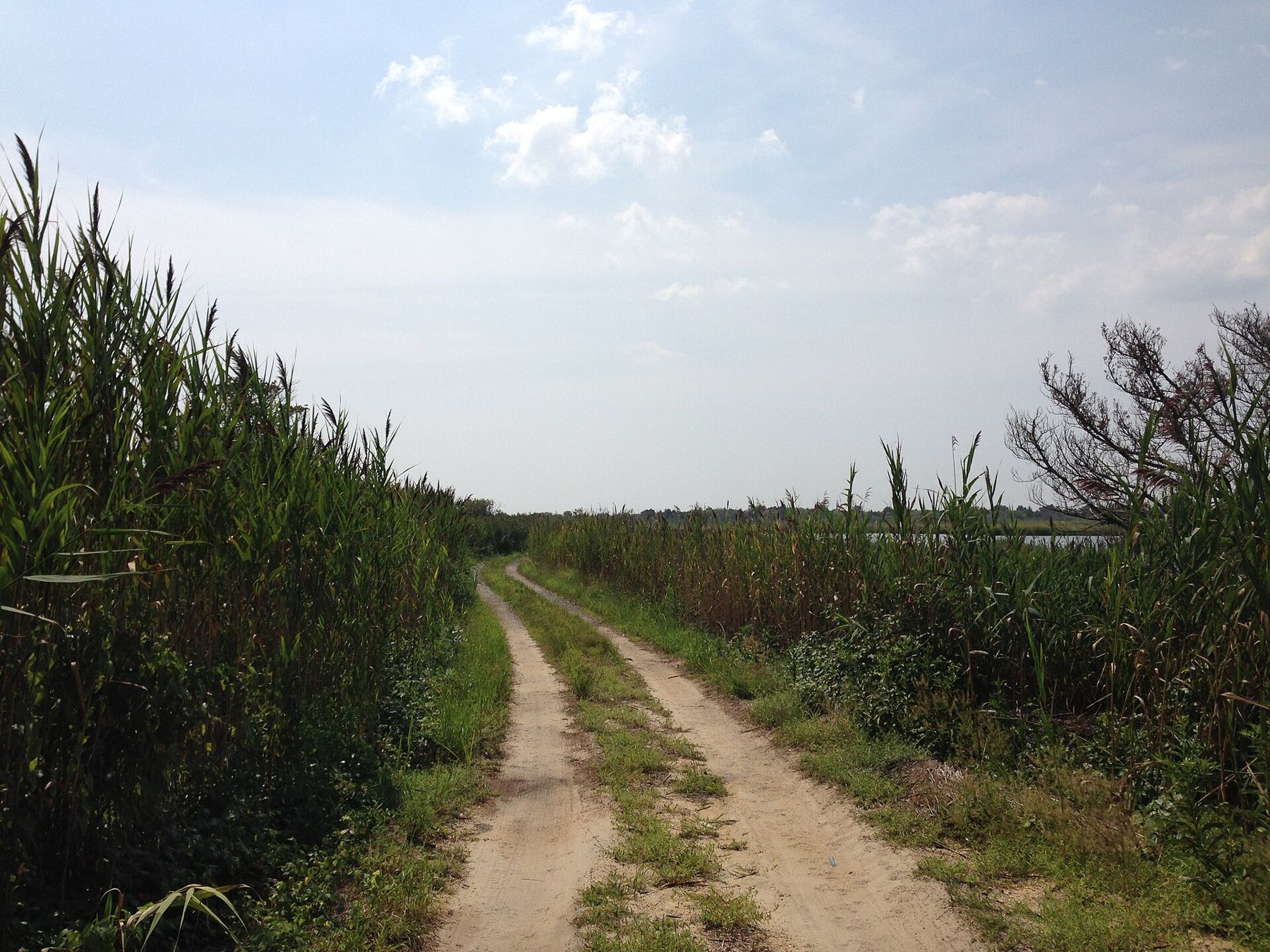
Lagoons, creeks and sheltered coves are the best places to start. Many bay-shore towns have small public launches or beaches where you can put in. The protected waters along the edges of the bay, among marsh islands and creek mouths, give you calm water and plenty to look at.
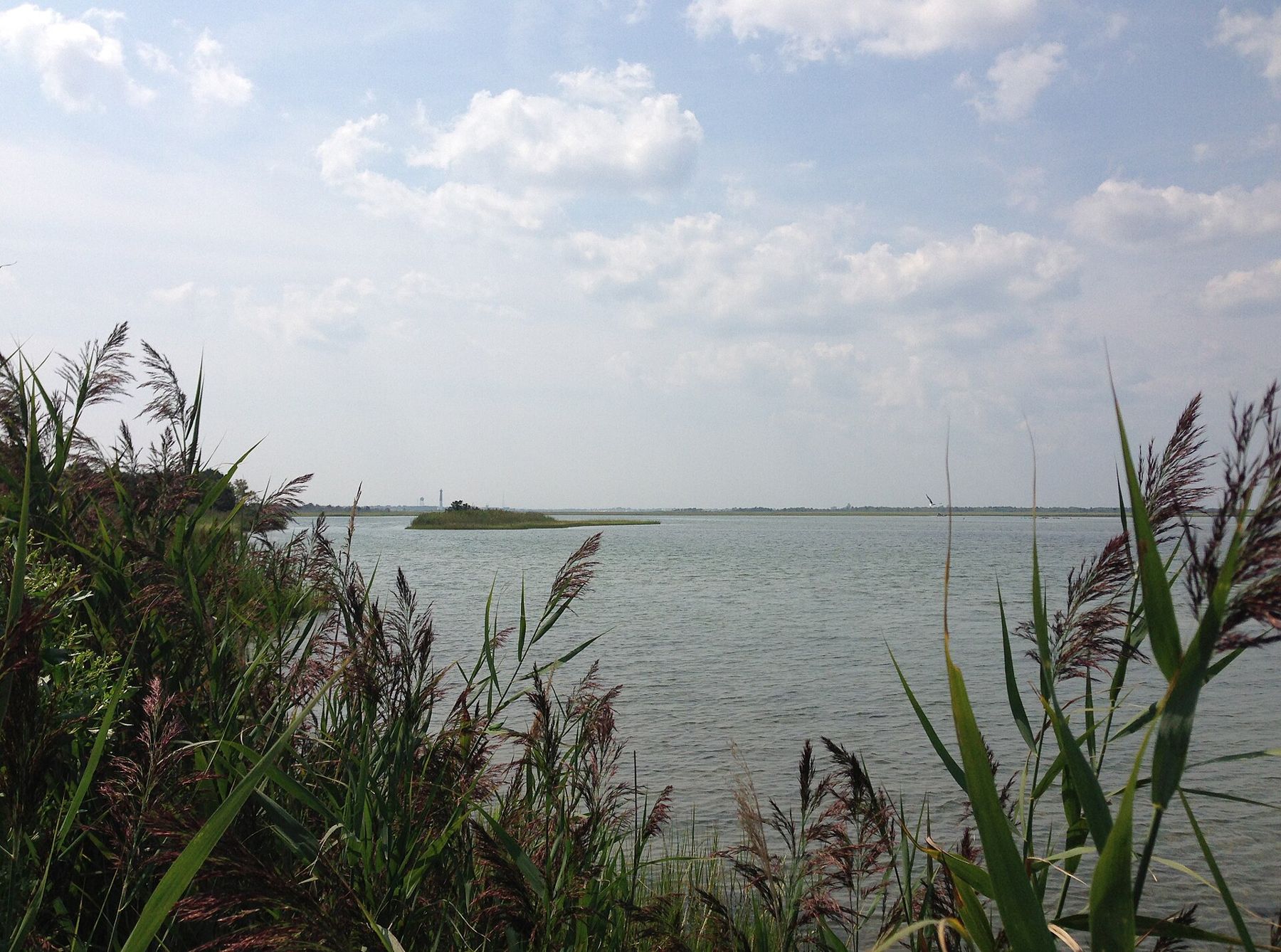
The Sedge Islands, off the bay side of Island Beach State Park near the inlet, are a protected marine conservation zone of marsh islands and shallow channels. They are a favorite with experienced paddlers and birders, with nesting ospreys and wading birds. The area has rules to protect wildlife and is close to the inlet's currents. For the rest of the park, see whether Island Beach State Park is worth the drive.
Rental businesses along the bay rent kayaks and paddleboards by the hour or day. Rental prices, hours and seasons vary, so call ahead.
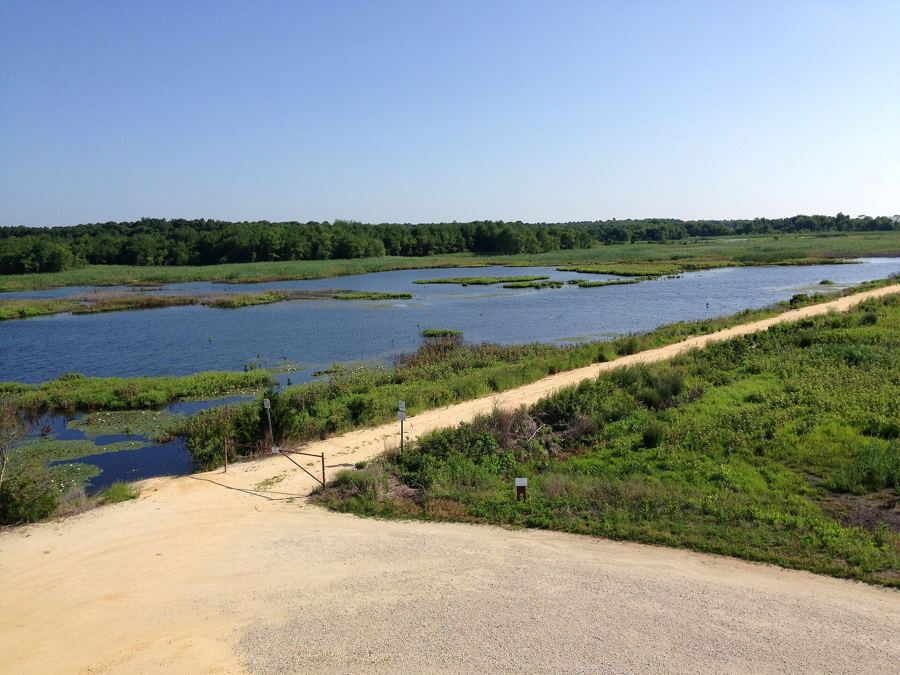 Also askedWhere do birders go at the shore?
How does crabbing work?
The quarry is the blue crab, a fast, feisty swimmer that is at its most plentiful in the bay through the warmer months. Late summer and early autumn are often the best times.
The simplest methods are a hand line and a collapsible trap. A hand line is just a string with bait tied to the end: lower it, wait for a tug, pull it in slowly, and scoop the crab up with a long-handled net before it lets go. A collapsible trap is a wire box or ring that lies flat on the bottom with the bait in the middle; pull it up quickly and the sides close around any crab inside. Chicken necks and fish such as bunker are the usual bait.
You can crab from public docks, bulkheads and bridges where crabbing is allowed, or from a kayak or boat. Slack tide and the hours around it are often the most productive, when crabs move about more freely.
Paddle in the morning, keep close to the shore, and plan your route so you are not fighting the wind on the way back.
What are the rules?
New Jersey sets rules on recreational crabbing, and they change from time to time. They cover things such as minimum sizes, daily catch limits, which gear you can use, how traps must be marked, and when you can crab. Some traps must be fitted with a device that keeps diamondback terrapins out, and egg-bearing females, known as sponge crabs, must be released. Some gear may need a license.
Rather than relying on numbers you read online. Bring a measuring gauge, put back anything undersized, and handle crabs carefully, since those claws hurt.
Local rules may also limit where you can crab, especially on private docks and in some marinas. Look for signs, and ask if you are unsure.
Treat the bay itself with care while you crab. Take all your bait scraps, string and broken gear home, and never leave a trap unattended in a place where it could be lost. Lost traps keep catching crabs, terrapins and fish long after they are forgotten. The bay has faced real pressure from runoff and development over the years, and small habits add up.
What should you bring?
- A life jacket for everyone, worn on the water
- Plenty of water, sun protection and a hat
- A hand line, a collapsible trap or two, and a long-handled net
- Bait, kept cold in a cooler
- A crab gauge and a bucket or basket
- Bug spray for the marsh, especially on still days
If you plan to cook what you catch, keep crabs alive and cool until you cook them, and cook them the same day. For more on what to eat at the shore, see what to eat at the shore.
When is the best time to go?
For paddling, early mornings from late spring to early autumn give you the calmest water and the softest light. For crabbing, mid-summer into September is usually best. September is especially good: the water is warm, the bay is quieter, and the crabs are often bigger. That and more is covered in when the shore is at its best without the crowds.
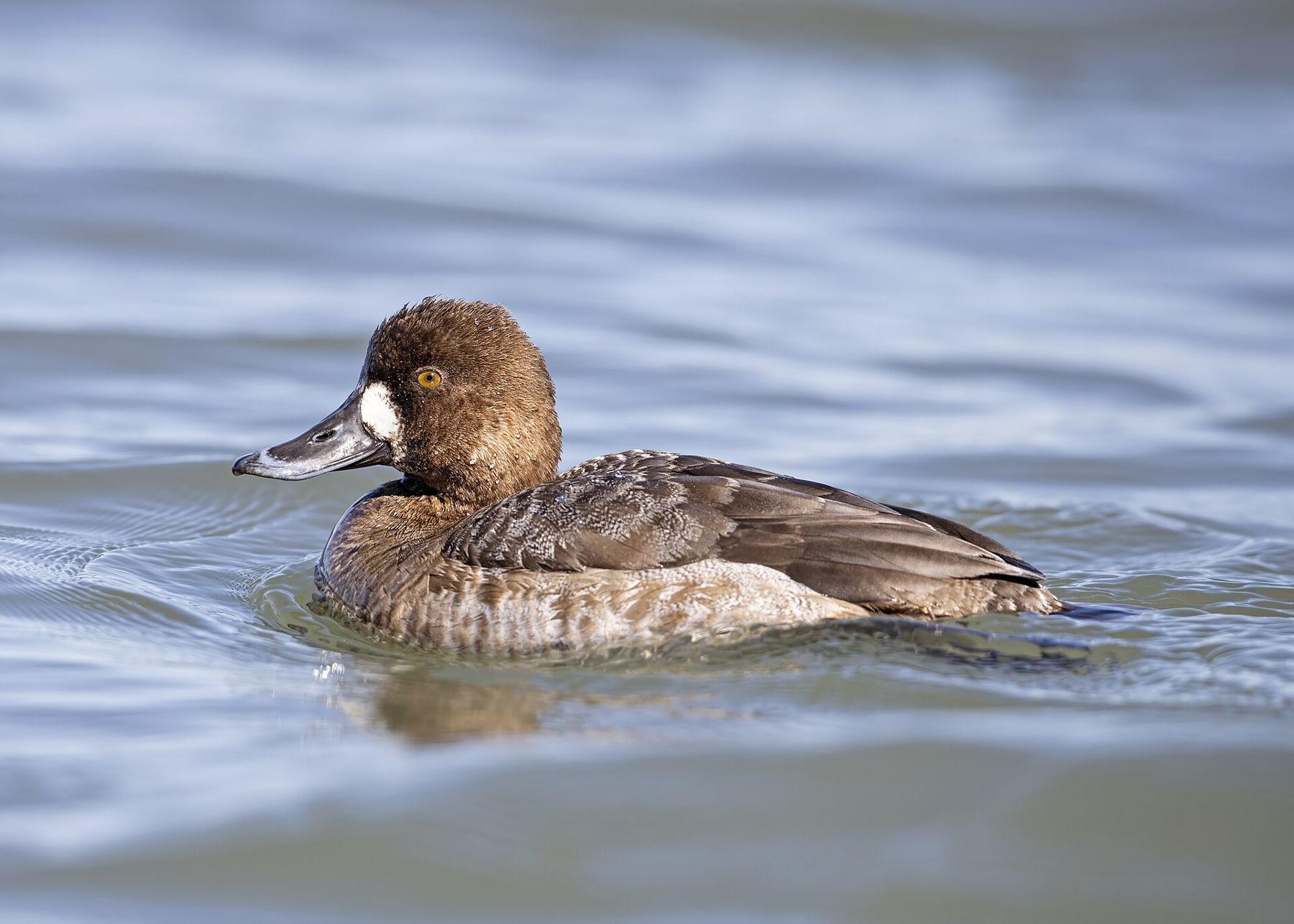
In winter, the bay becomes a different place. Crabbing ends, but the water fills with ducks such as scaup, buffleheads and brant. A walk along the bay shore with binoculars is worth the cold. For a quiet walk on the bay any time of year, see the quietest walk on the bay.
Who took these photos? That one is answered on Photographers.