New Jersey is one of the main cranberry-growing states in the country, and nearly all of its crop comes from the Pine Barrens. The sandy soil, acid water and wetlands of the Pines suit the low, trailing cranberry vine. Most commercial bogs are on private farmland, so the easiest place for visitors to see one up close is Double Trouble State Park, in Ocean County just south of Toms River.
What is Double Trouble State Park?
The park protects a stretch of Pine Barrens forest along Cedar Creek, together with a historic village from the days when cranberries were grown and packed here on a large scale. The village grew around a sawmill and later became a cranberry operation, with a packing house, a sorting house, workers' cottages and a small schoolhouse. Many of these buildings still stand, clustered near the main parking area.
The name has prompted several local stories, involving a dam and muskrats or floods breaking it more than once. No single version is certain. It is a good name, either way.
The park sits just off the Garden State Parkway, so it is one of the quickest ways to get from the shore into the Pines. You can be on the bog trail within half an hour of Toms River in most traffic.
Can you walk around the bogs?
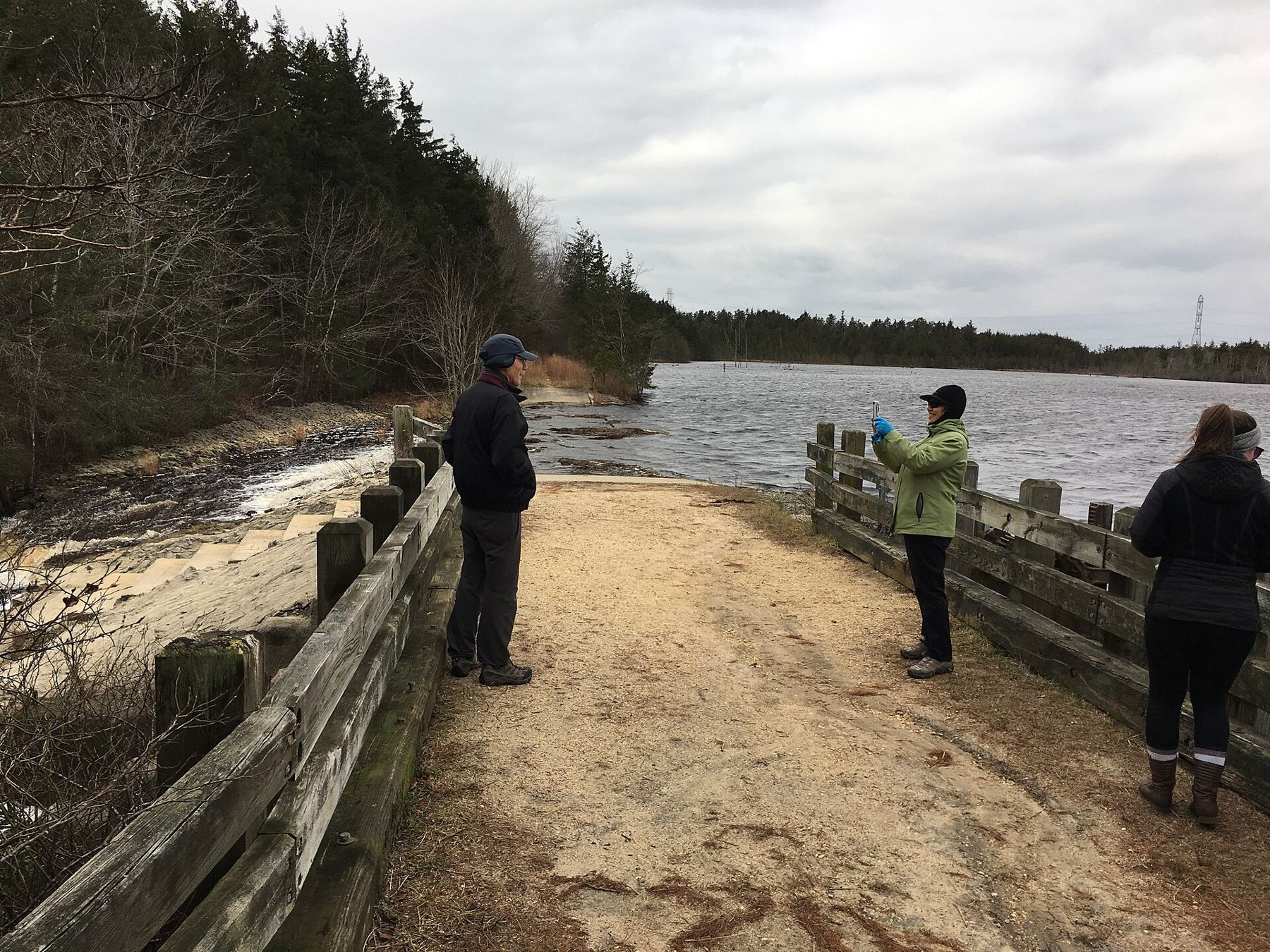
Yes. A marked trail loops around the bogs and through the forest from the village area. It is flat and sandy, about an hour at an easy pace, and suitable for most walkers and older children. You pass bogs, reservoirs that hold water for flooding them, ditches and dikes, and cedar swamp along the creek.
Stay on the trail and off the bogs themselves. They are working agricultural land, the vines are easily damaged, and in the harvest season machines and workers are moving around.
Look for birds and dragonflies along the open water, and watch out for ticks in grass and brush. Bug spray is a good idea from spring to autumn.
When is the harvest?
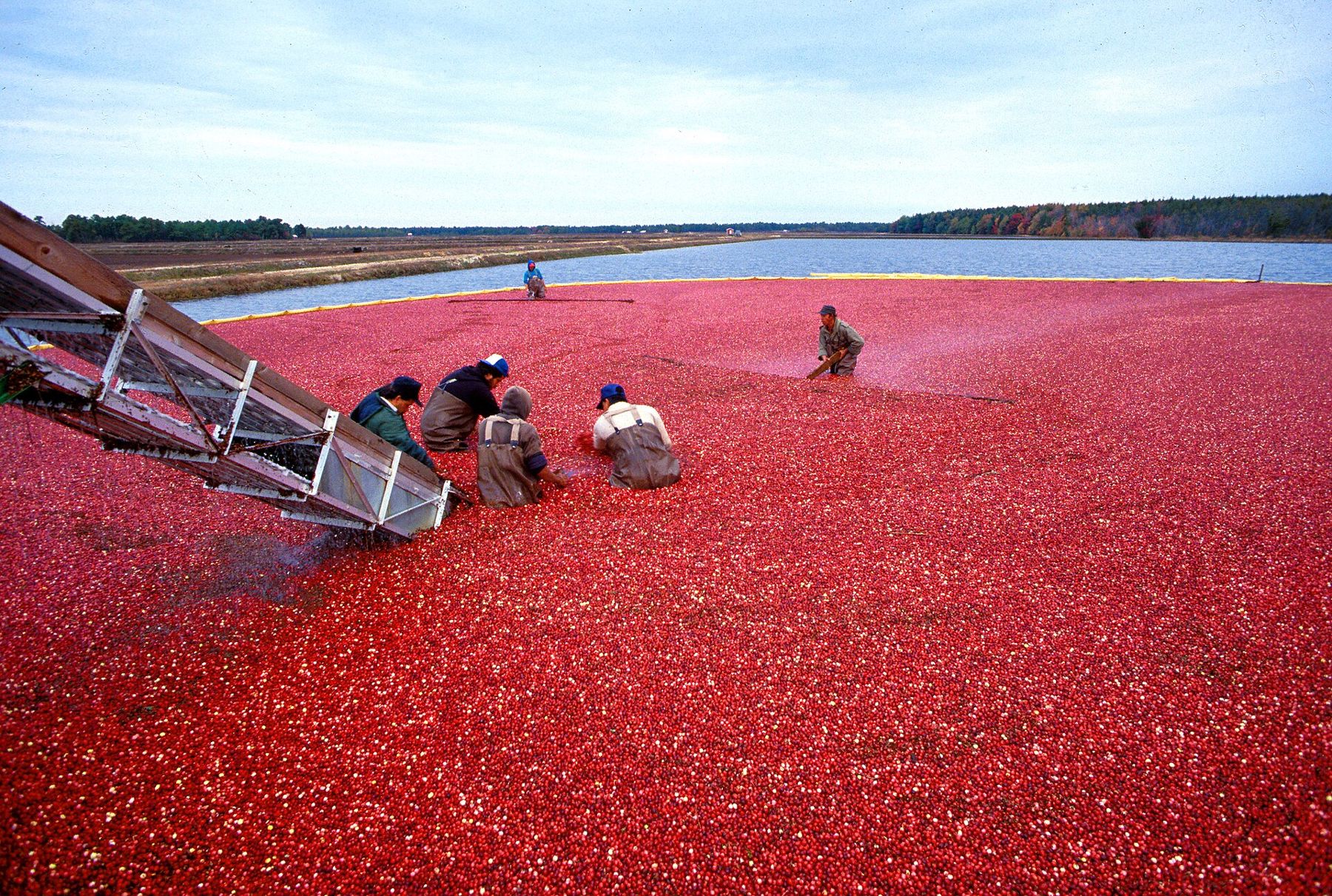
The cranberry harvest in New Jersey usually runs from late September into early November, with October the heart of it. Most New Jersey berries are wet-harvested. The bogs are flooded with water from nearby reservoirs, machines move through the vines to knock the berries loose, and the berries float to the surface. Workers then gather them with floating booms into a solid red mass that is pumped or lifted into trucks.
Seeing a flooded bog full of floating berries is a striking sight, but harvest timing depends on the weather and the farmer's schedule, so there is no guarantee you will catch one on a given day. Even without the harvest, the bogs turn deep red in autumn, and the contrast with the green pines is lovely.
Wet-harvested cranberries mostly go to juice, sauce and dried fruit rather than the fresh berries sold in bags. Those tend to come from dry-harvested bogs.
Cranberries are one of the few fruits native to North America that are grown commercially, and they have been cultivated in the Pines since the 1800s. The bogs you see are built, not natural: level beds of sand and peat, ringed by dikes and ditches, with a reservoir nearby so growers can flood them for the harvest, for frost protection and to shield the vines in winter.
 Also askedCan you canoe the Pine Barrens in a day?
What else is there to do at the park?
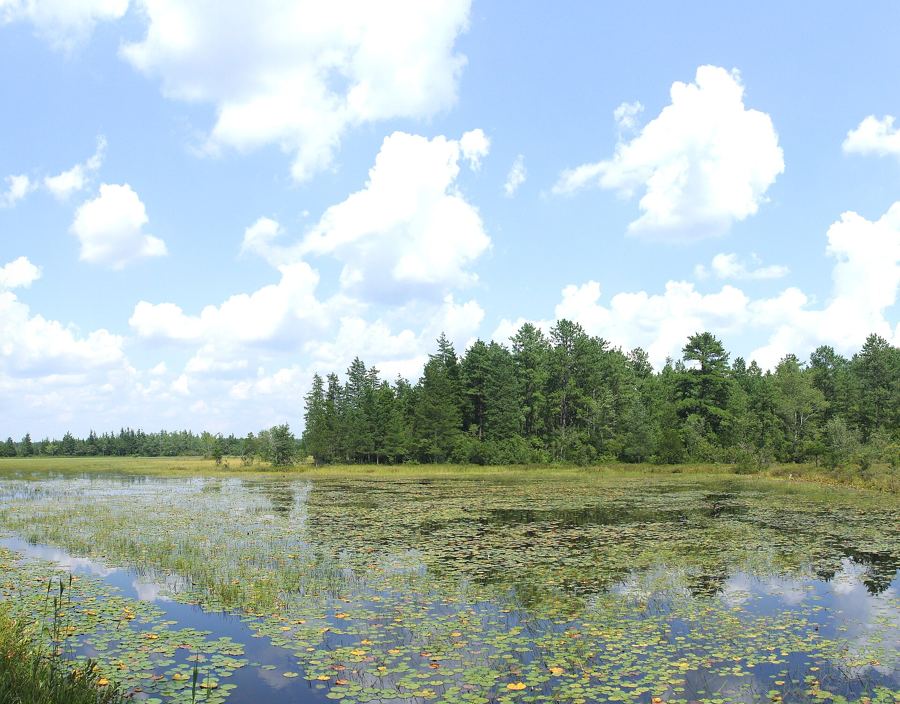
Cedar Creek runs through the park, with the same tea-colored water as the other rivers of the Pines. It is a popular paddle, with canoes and kayaks running downstream toward Barnegat Bay. The creek can be narrow, with fallen trees and low water in dry spells. For the bigger picture on paddling the Pines, see whether you can canoe the Pine Barrens in a day.
The village buildings are worth a slow walk. Interpretive signs tell the story of the operation, and some buildings open on set days or for programs. The park has also hosted organized walks, including a New Year's Day hike that draws a crowd. Check the park's current calendar if you want a guided visit.
Where else can you see cranberries?
Farther into the Pines, around Chatsworth in Burlington County, cranberry bogs line the roads, and the area holds a cranberry festival in autumn. Bogs are also visible from public roads in parts of Wharton State Forest. Remember that most bogs are private farms: look from the road or from public land, and do not drive or walk onto bog dikes without permission.
If you are heading that way, Batsto is a natural add-on. What is Batsto Village, and is it worth a stop covers the old iron and glass village and its trails.
When should you go?
October is the best month, for harvest activity and color. Late September and early November are also good. Spring is pleasant, with blossoming vines in early summer, though the bogs look green rather than red. Summer is hot, with more biting insects.
The park is a fine outing in the quieter months of the shore year, when the beaches are empty and a walk in the Pines makes a good change. For more ideas, see when the shore is at its best without the crowds.
Bring water and snacks, as there are no food services in the park. Wear shoes that can handle sand, and expect to spend one to two hours, longer if you add a paddle.
Who took these photos? That one is answered on Photographers.