Batsto Village sits on the edge of Batsto Lake inside Wharton State Forest, the largest state forest in New Jersey. It is a cluster of old buildings around a mansion, a mill and a lake, with sandy roads leading off into the pines. For more than a century it was a working industrial settlement. Today it is a historic site run by the state, and one of the best places to understand how people lived and worked in the Pine Barrens.
What was made at Batsto?
Batsto began as an ironworks in the 1760s. The Pine Barrens had what an iron furnace needed: bog iron ore dug from the stream beds, endless wood for charcoal, and water power from the rivers. During the American Revolution the works supplied the Continental Army with iron goods. Through the early 1800s the furnace kept running, but the business declined as better iron sources were found elsewhere.
Glassmaking took over for a period in the middle of the century, using the local sand. Like the iron, it did not last. In the later 1800s the estate was bought by Joseph Wharton, a Philadelphia industrialist, who added huge areas of the surrounding forest to his holdings. In the 1950s the state bought the Wharton lands, and that purchase is the core of today's Wharton State Forest.
What can you see in the village?
The village is laid out much as it was, with workers' houses, a general store, a sawmill, a gristmill, barns and other farm buildings, and the mansion on a rise above the lake. Some buildings are open with exhibits, and the sawmill and other buildings are sometimes demonstrated on set days.
The mansion is the largest building on the site. It was remodeled by Wharton into a grand country house with a tower. Inside visits are by guided tour in season, with limited times.
The visitor center has a museum on the history of the village and the Pines, along with restrooms and information about trails and the wider forest. Walking the grounds and the village lanes is free.
Are the trails worth walking?
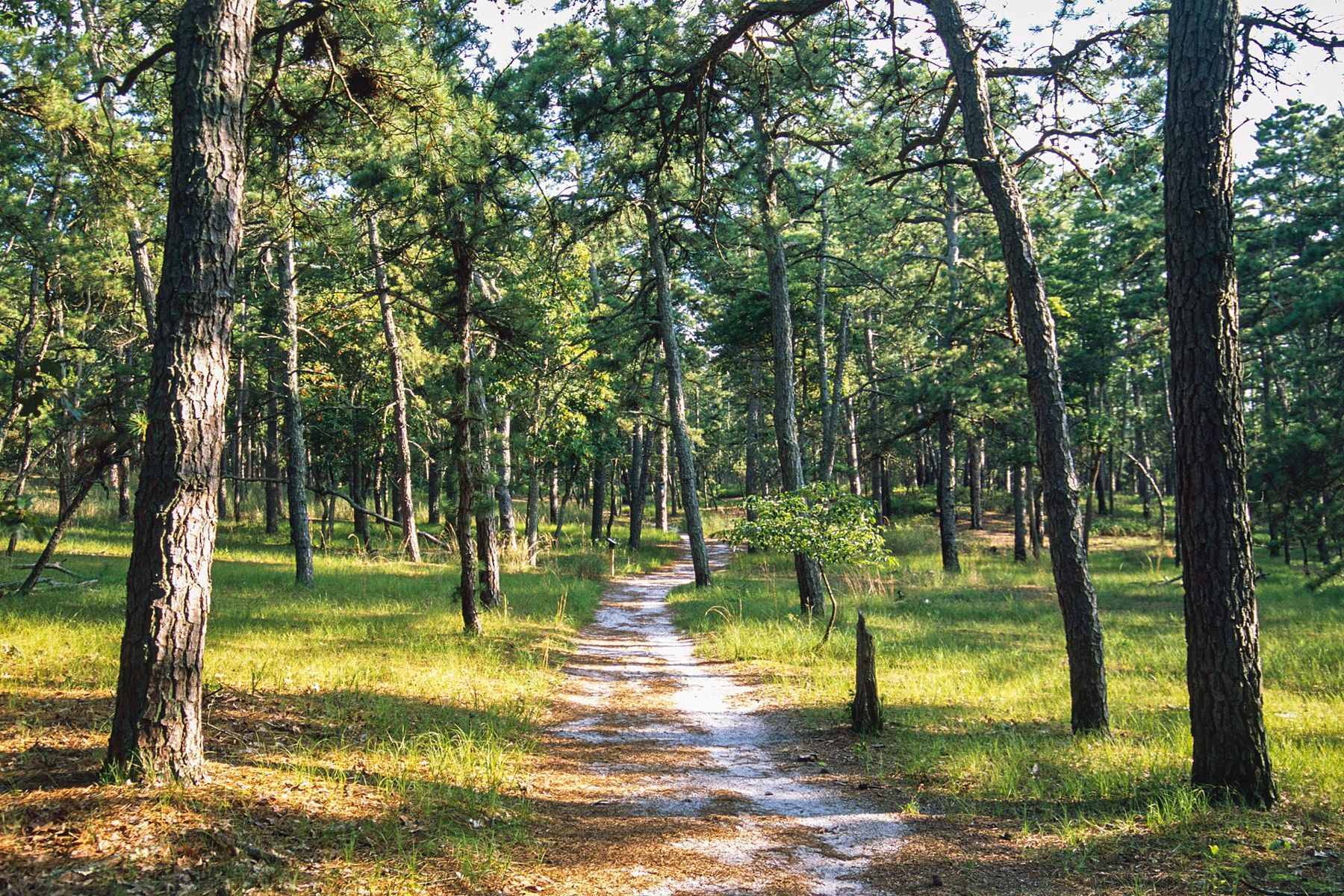
Yes. Several marked trails start near the village and loop through the forest around Batsto Lake. They are flat and sandy, easy for most walkers, and quiet once you are a few minutes away from the parking lot. You pass through pitch pine and oak, along cedar-lined streams and past small bogs.
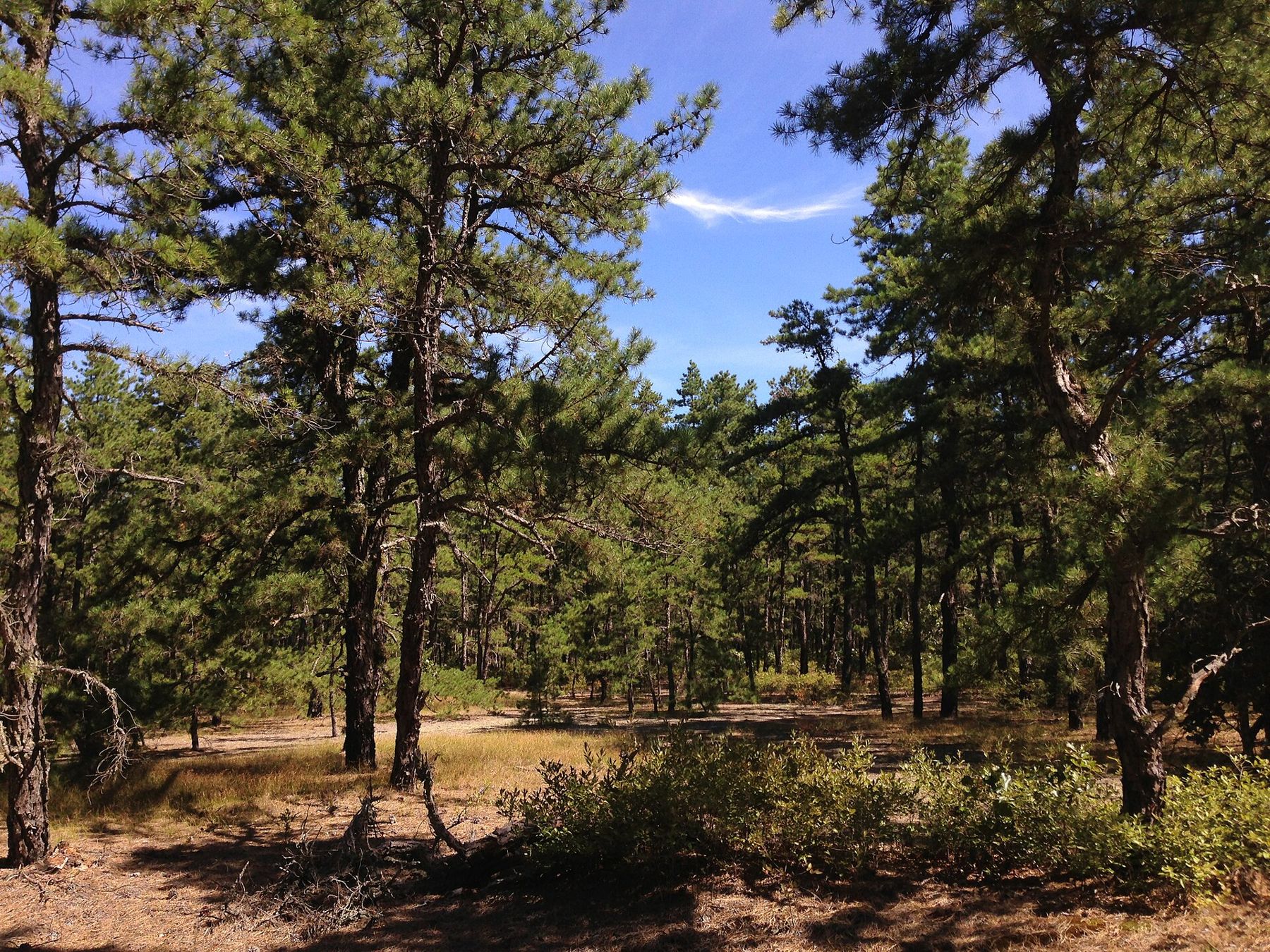
The long-distance Batona Trail also passes through Batsto. You can walk a stretch of it out and back, and that gives you a taste of the deeper Pines without committing to a full day. Carry water, as there is little shade on some sand roads in summer and no water along the way.
Ticks are common in the Pines from spring to autumn. Wear repellent, stay toward the middle of the trail, and check yourself when you get back to the car.
 Also askedCan you canoe the Pine Barrens in a day?
How does it fit with a paddle?
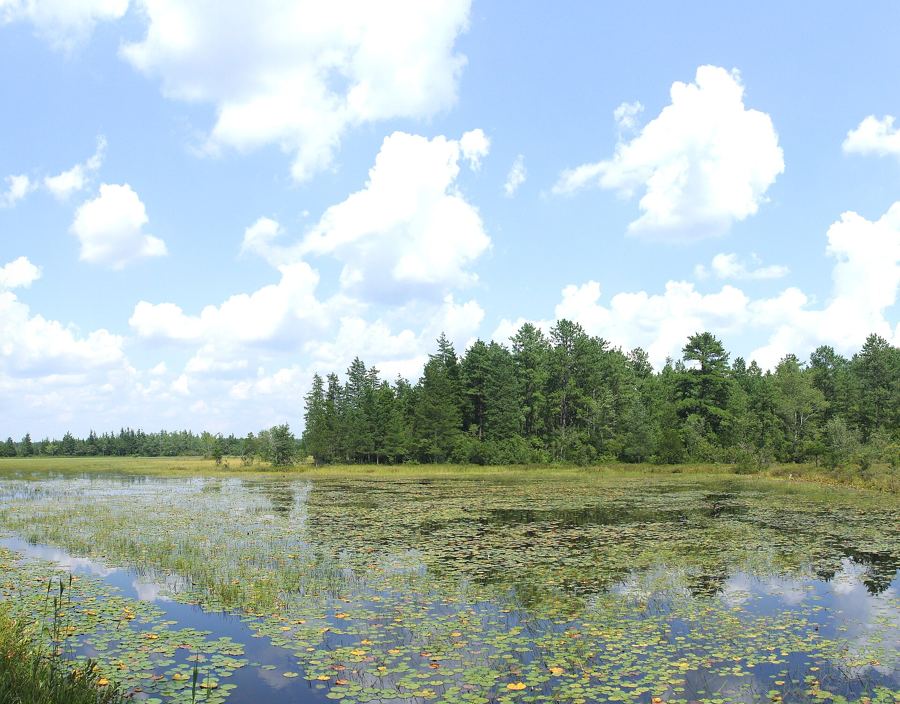
Batsto pairs perfectly with a canoe or kayak trip. Paddles on the Batsto River often end at Batsto Lake, right by the village, so you can step out of the boat and into the village. If you plan to canoe, read whether you can canoe the Pine Barrens in a day for the rivers, water levels and shuttles.
A good day: paddle in the morning, eat a picnic by the lake, then walk the village and a short trail in the afternoon. The light under the pines in late afternoon is lovely, and the place empties out as the day ends.
How do you get there?
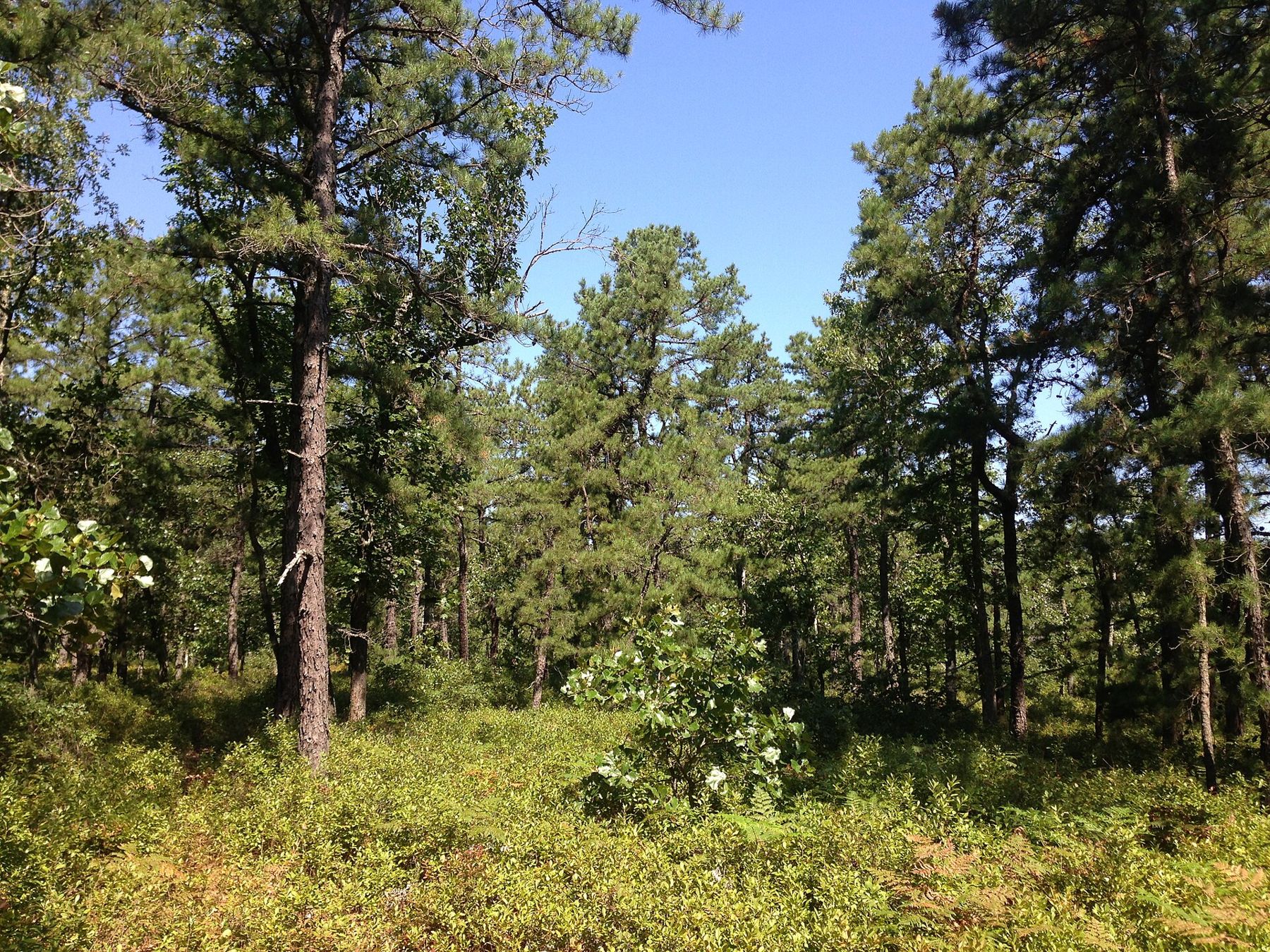
Batsto is on Route 542 in Burlington County, roughly an hour's drive southwest of Toms River. The usual route is down the Garden State Parkway and inland, or west on Route 72 and south through the forest. The last stretch runs through unbroken pine forest with very few services, so fill up with fuel and supplies before you leave the main roads.
There is a parking lot at the village, and there may be a parking fee in summer. There is no public transport worth relying on; this is a car trip.
Is it worth it with kids?
It depends on the children. Kids who like old buildings, mills, animals in the farm area and running along forest paths usually enjoy an hour or two here. Those who need rides and arcades may find it slow. Combine it with something active, such as a paddle or a short trail walk, and bring a picnic, since food options in the forest are very limited.
For another stop in the Pines on the way home, the cranberry bogs and old village at Double Trouble State Park are covered in where you can see a cranberry bog. And if you want a gentler outdoor day with small children, closer to the coast, see where kids can burn energy away from the beach.
Spring and autumn suit it best. The air is cooler, the bugs are fewer, and the forest colors are at their best. Summer visits are fine, but go early, carry water, and plan to spend the hottest hours by the lake.
Who took these photos? That one is answered on Photographers.